

Laboratory Animal and Comparative Medicine ›› 2026, Vol. 46 ›› Issue (3): 437-445.DOI: 10.12300/j.issn.1674-5817.2025.135
• Facilities and Management for Laboratory Animals • Previous Articles Next Articles
AI Xiufeng, ZHANG Lizong, FANG Mingsun, LÜ Dongying, CHEN Chu, CAI Zhaowei, WANG Dejun( )(
)( )
)
Received:2025-08-19
Revised:2025-12-19
Online:2026-06-25
Published:2026-06-19
Correspondence to:
WANG Dejun
CLC Number:
AI Xiufeng,ZHANG Lizong,FANG Mingsun,et al. Analysis of Differences in the Intestinal Flora of Rats and Mice after Drinking Chlorinated Water Based on 16S rRNA Sequencing[J]. Laboratory Animal and Comparative Medicine, 2026, 46(3): 437-445. DOI: 10.12300/j.issn.1674-5817.2025.135.
Add to citation manager EndNote|Ris|BibTeX
URL: https://www.slarc.org.cn/dwyx/EN/10.12300/j.issn.1674-5817.2025.135
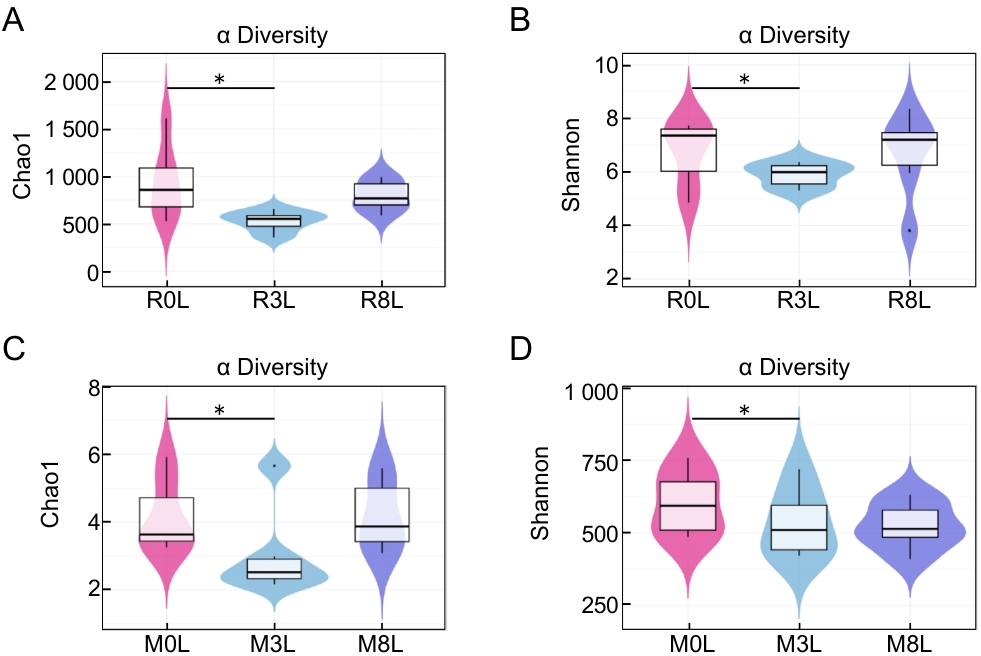
Figure 1 Analysis of intestinal flora α diversity in rats and mice
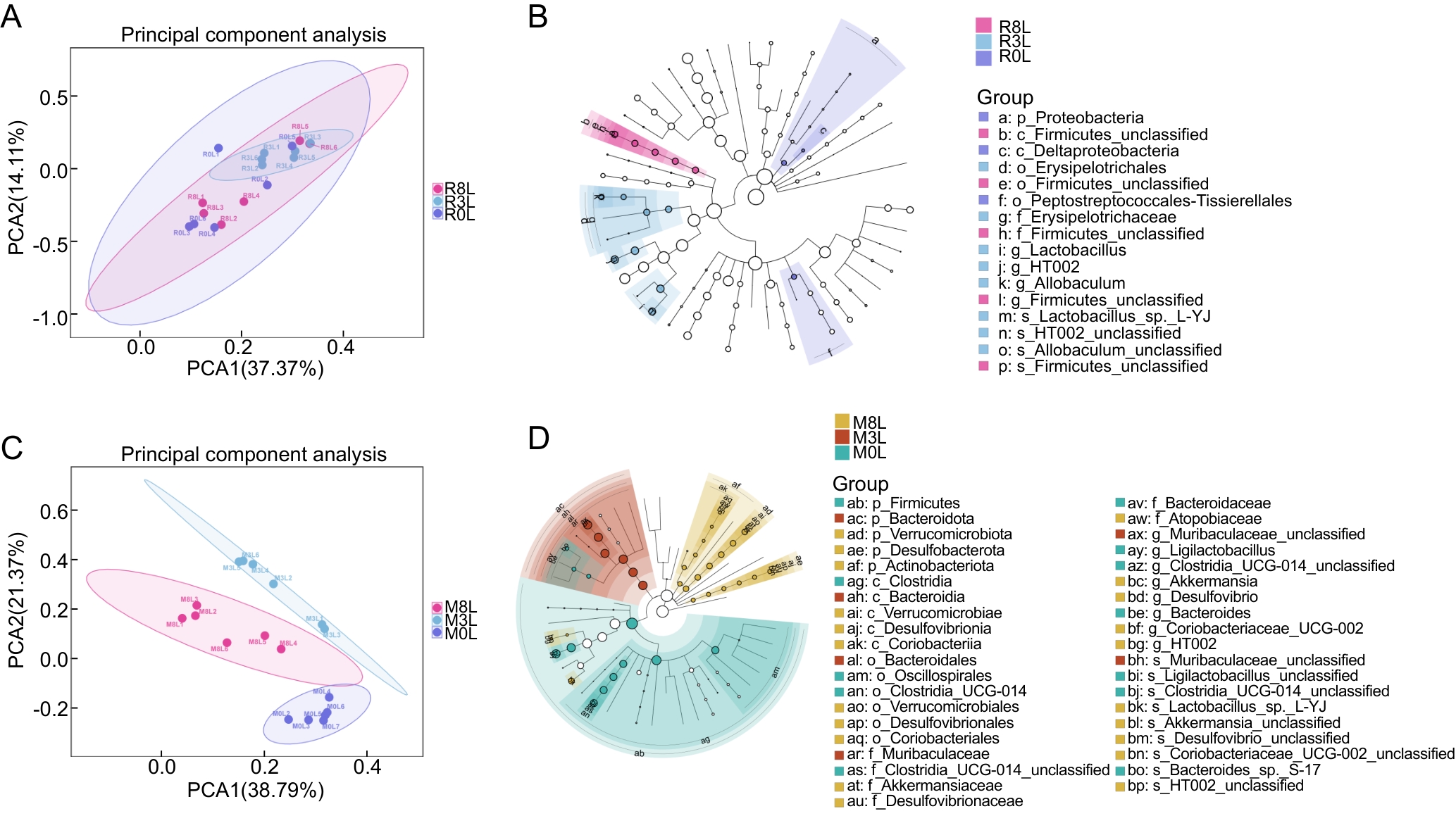
Figure 2 Intestinal flora β diversity and LEfSe differential taxa analysis in rats and mice
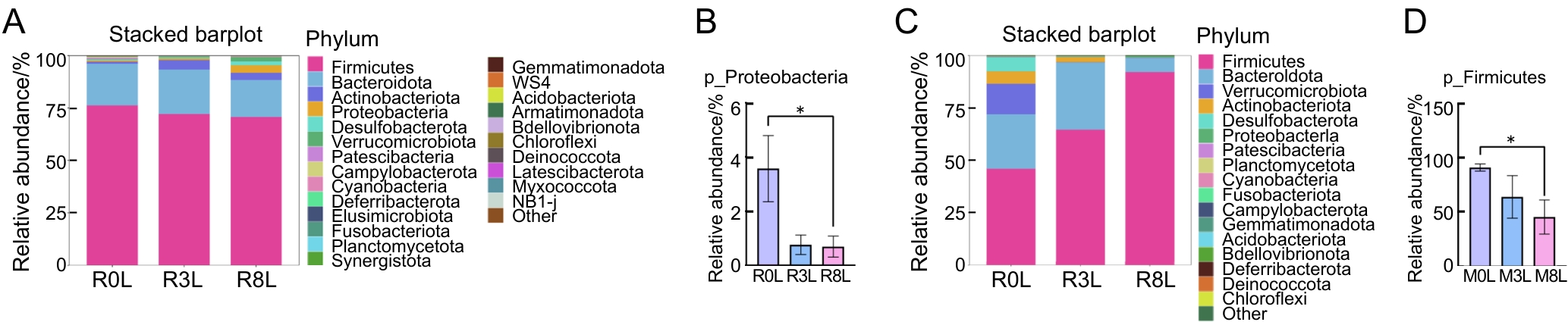
Figure 3 Comparison of the relative abundance of microbial communities at the phylum level between rats and mice
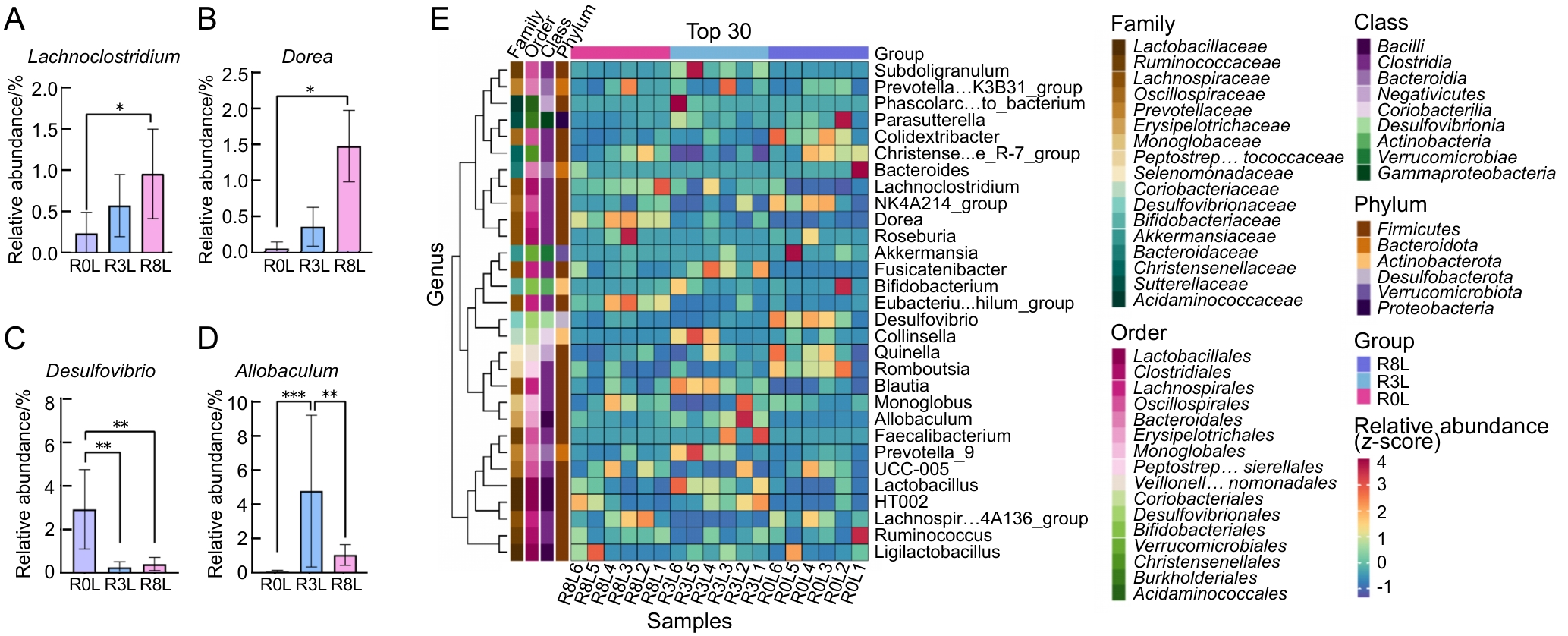
Figure 4 Key genus and heatmap analysis of intestinal flora in rats
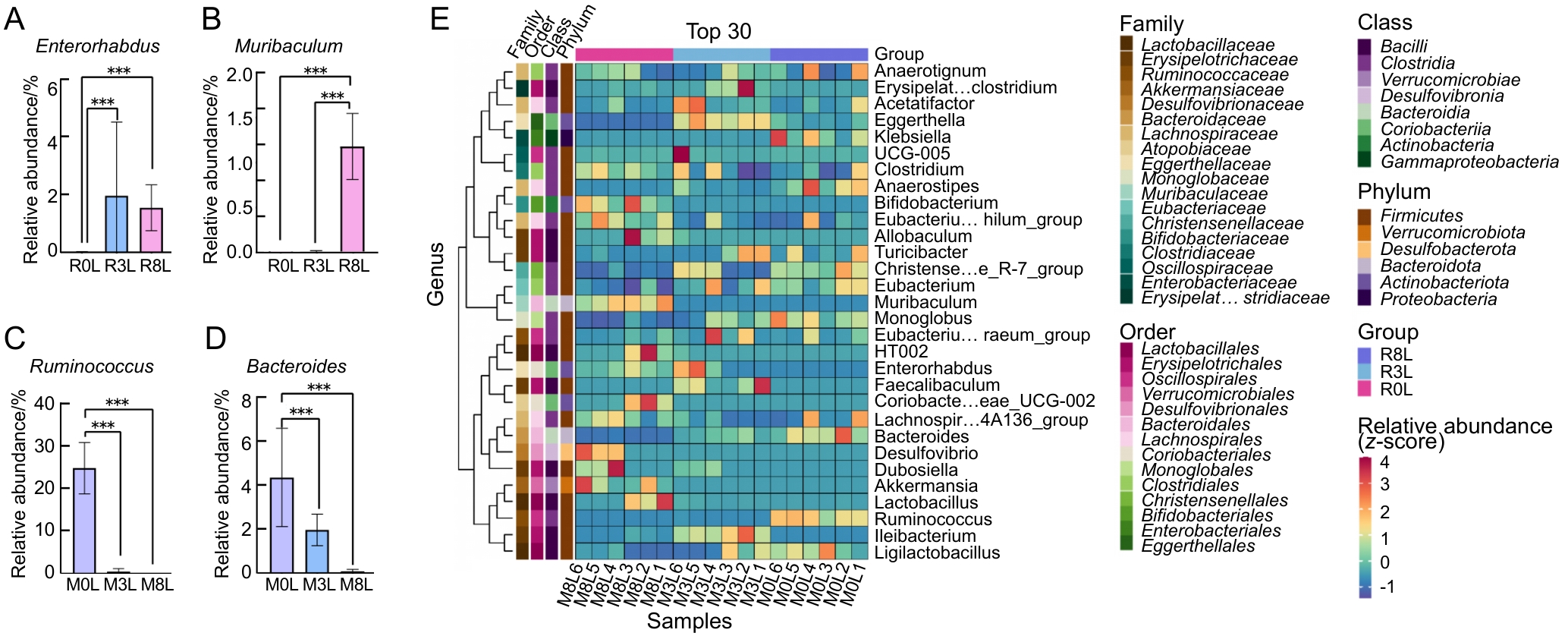
Figure 5 Key genus and heatmap analysis of intestinal flora in mice
| [1] | NGWENYA N, NCUBE E J, PARSONS J. Recent advances in drinking water disinfection: successes and challenges[J]. Rev Environ ContamToxicol, 2013, 222: 111-170. DOI: 10.1007/978-1-4614-4717-7_4 . |
| [2] | TAYLOR K, POPE R. A new form of automatic watering system for laboratory animals[J]. Lab Anim, 1978, 12(3): 129-131. DOI: 10.1258/002367778780936241 . |
| [3] | SNELL J A, JANDOVA J, WONDRAK G T. Hypochlorous acid: from innate immune factor and environmental toxicant to chemopreventive agent targeting solar UV-induced skin cancer[J]. Front Oncol, 2022, 12: 887220. DOI: 10.3389/fonc. 2022.887220 . |
| [4] | SNELL J A, VAISHAMPAYAN P, DICKINSON S E, et al. The drinking water and swimming pool disinfectant trichloroisocyanuric acid causes chlorination stress enhancing solar UV-induced inflammatory gene expression in AP-1 transgenic SKH-1 luciferase reporter mouse skin[J]. Photochem Photobiol, 2023, 99(2): 835-843. DOI: 10.1111/php. 13675 . |
| [5] | JANDOVA J, SCHIRO G, DUCA F A, et al. Exposure to chlorinated drinking water alters the murine fecal microbiota[J]. Sci Total Environ, 2024, 914: 169933. DOI: 10.1016/j.scitotenv. 2024.169933 . |
| [6] | ROOKS M G, GARRETT W S. Gut microbiota, metabolites and host immunity[J]. Nat Rev Immunol, 2016, 16(6): 341-352. DOI: 10.1038/nri.2016.42 . |
| [7] | WATSON K, SHAW G, LEUSCH F D L, et al. Chlorine disinfection by-products in wastewater effluent: Bioassay-based assessment of toxicological impact[J]. Water Res, 2012, 46(18): 6069-6083. DOI: 10.1016/j.watres.2012.08.026 . |
| [8] | MOUDGAL C J, LIPSCOMB J C, BRUCE R M. Potential health effects of drinking water disinfection by-products using quantitative structure toxicity relationship[J]. Toxicology, 2000, 147(2): 109-131. DOI: 10.1016/s0300-483x(00)00188-8 . |
| [9] | SHI J Y, ZHANG K, XIAO T S, et al. Exposure to disinfection by-products and risk of cancer: a systematic review and dose-response meta-analysis[J]. Ecotoxicol Environ Saf, 2024, 270: 115925. DOI: 10.1016/j.ecoenv.2023.115925 . |
| [10] | NADIMPALLI M L, LANZA V F, MONTEALEGRE M C, et al. Drinking water chlorination has minor effects on the intestinal flora and resistomes of Bangladeshi children[J]. Nat Microbiol, 2022, 7(5): 620-629. DOI: 10.1038/s41564-022-01101-3 . |
| [11] | DIAS M F, REIS M P, ACURCIO L B, et al. Changes in mouse gut bacterial community in response to different types of drinking water[J]. Water Res, 2018, 132: 79-89. DOI: 10.1016/j.watres.2017.12.052 . |
| [12] | CHIU K, WARNER G, NOWAK R A, et al. The impact of environmental chemicals on the gut microbiome[J]. Toxicol Sci, 2020, 176(2): 253-284. DOI: 10.1093/toxsci/kfaa065 . |
| [13] | NGUYEN T L A, VIEIRA-SILVA S, LISTON A, et al. How informative is the mouse for human gut microbiota research[J]. Dis Model Mech, 2015, 8(1): 1-16. DOI: 10.1242/dmm.017400 . |
| [14] | FAN J H, QU Y J, QU L L, et al. Oral exposure to PLA microplastics induces time-dependent nanotoxicity via the gut-liver axis[J]. J Hazard Mater, 2025, 495: 138931. DOI: 10.1016/j.jhazmat.2025.138931 . |
| [15] | BELKAID Y, HAND T W. Role of the microbiota in immunity and inflammation[J]. Cell, 2014, 157(1): 121-141. DOI: 10.1016/j.cell.2014.03.011 . |
| [16] | DE FILIPPIS F, VALENTINO V, SEQUINO G, et al. Exposure to environmental pollutants selects for xenobiotic-degrading functions in the human gut microbiome[J]. Nat Commun, 2024, 15(1): 4482. DOI: 10.1038/s41467-024-48739-7 . |
| [17] | ERICSSON A C, FRANKLIN C L. The gut microbiome of laboratory mice: considerations and best practices for translational research[J]. Mamm Genome, 2021, 32(4): 239-250. DOI: 10.1007/s00335-021-09863-7 . |
| [18] | NAGPAL R, WANG S H, SOLBERG WOODS L C, et al. Comparative microbiome signatures and short-chain fatty acids in mouse, rat, non-human primate, and human feces[J]. Front Microbiol, 2018, 9: 2897. DOI: 10.3389/fmicb.2018.02897 . |
| [19] | RAVINDRAN S, HOPKINS B, BOVA S, et al. In vivo metabolism of norbormide in rats and mice[J]. Environ Toxicol Pharmacol, 2009, 28(1): 147-151. DOI: 10.1016/j.etap. 2009.03.013 . |
| [20] | DE VOS W M, TILG H, VAN HUL M, et al. Gut microbiome and health: mechanistic insights[J]. Gut, 2022, 71(5): 1020-1032. DOI: 10.1136/gutjnl-2021-326789 . |
| [21] | KRAVITZ A, LAWTON S, BUCKMASTER C A, et al. Influence of water delivery method on the gut microbiome in laboratory mice (Mus musculus)[J]. J Am Assoc Lab Anim Sci, 2025, 64(4): 1-12. DOI: 10.30802/AALAS-JAALAS-24-085 . |
| [22] | WANG Z X, CHEN G, SUN X T, et al. Multi-omics integration reveals the impact of Mediterranean diet on hepatic metabolism and gut microbiota in mice with metabolic dysfunction-associated steatotic liver disease[J]. Front Nutr, 2025, 12: 1644014. DOI: 10.3389/fnut.2025.1644014 . |
| [23] | MEDINA-LARQUÉ A S, RODRÍGUEZ-DAZA M C, ROQUIM M, et al. Cranberry polyphenols and agave agavins impact gut immune response and microbiota composition while improving gut barrier function, inflammation, and glucose metabolism in mice fed an obesogenic diet[J]. Front Immunol, 2022, 13: 871080. DOI: 10.3389/fimmu.2022.871080 . |
| [24] | WEI W, LIU Y L, HOU Y L, et al. Psychological stress-induced microbial metabolite indole-3-acetate disrupts intestinal cell lineage commitment[J]. Cell Metab, 2024, 36(3): 466-483.e7. DOI: 10.1016/j.cmet.2023.12.026 . |
| [25] | HEMARAJATA P, VERSALOVIC J. Effects of probiotics on gut microbiota: mechanisms of intestinal immunomodulation and neuromodulation[J]. Therap Adv Gastroenterol, 2013, 6(1): 39-51. DOI: 10.1177/1756283X12459294 . |
| [26] | HAYS K E, PFAFFINGER J M, RYZNAR R. The interplay between gut microbiota, short-chain fatty acids, and implications for host health and disease[J]. Gut Microbes, 2024, 16(1): 2393270. DOI: 10.1080/19490976.2024.2393270 . |
| [27] | SONG C Y, CHAI Z L, CHEN S, et al. Intestinal mucus components and secretion mechanisms: what we do and do not know[J]. Exp Mol Med, 2023, 55(4): 681-691. DOI: 10.1038/s12276-023-00960-y . |
| [28] | MUKHOPADHYA I, LOUIS P. Gut microbiota-derived short-chain fatty acids and their role in human health and disease[J]. Nat Rev Microbiol, 2025, 23(10): 635-651. DOI: 10.1038/s41579-025-01183-w . |
| [29] | SHIN N R, WHON T W, BAE J W. Proteobacteria: microbial signature of dysbiosis in gut microbiota[J]. Trends Biotechnol, 2015, 33(9): 496-503. DOI: 10.1016/j.tibtech.2015. 06.011 . |
| [30] | ROSSHART S P, HERZ J, VASSALLO B G, et al. Laboratory mice born to wild mice have natural microbiota and model human immune responses[J]. Science, 2019, 365(6452): eaaw4361. DOI: 10.1126/science.aaw4361 . |
| [31] | 王珍, 周亚洲, 王立坤, 等. 持续低氧条件下大鼠肠道微生物变化及其与心肌损伤的关联研究[J]. 微生物学报, 2023, 63(8): 3054-3067. DOI: 10.13343/j.cnki.wsxb.20220862 . |
| WANG Z, ZHOU Y Z, WANG L K, et al. Alterations in gut microbiota and their associations with cardiac injury in rats after exposure to continuous normobaric hypoxia[J]. Acta Microbiol Sin, 2023, 63(8): 3054-3067. DOI: 10.13343/j.cnki.wsxb.20220862 . |
| [1] | WANG Juan, XU Jiahui, TIAN Yunyuan, ZHANG Mengmeng, LI Min, WANG Siwang, LI Yao. Comparison and Behavioral Observation of Two Female Mice Models of Ulcerative Colitis [J]. Laboratory Animal and Comparative Medicine, 2026, 46(3): 332-343. |
| [2] | WU Xianwen, LIU Lili, CHEN Ye, XU Guoheng. Optimization of Cage-Changing Intervals and Wood Shavings Usage for Mice During the Growth Phase in Breeding Systems [J]. Laboratory Animal and Comparative Medicine, 2026, 46(2): 251-260. |
| [3] | RONG Wenshuang, NIU Yuanfei, LIU Meiting, YANG Mengyuan, CUI Shuang, MA Lina, FU Yao, WANG Lianmei, CAO Junling. Influence of Antigen Type on the Establishment of an Induced Sjögren Syndrome Mouse Model [J]. Laboratory Animal and Comparative Medicine, 2026, 46(2): 178-190. |
| [4] | XU Yingtao, WANG Mengmeng, LIN Ping, CHI Haitao, WANG Yi, BAI Ying. Exosomes Treat Ischemic Stroke by Regulation of Ferroptosis Through the NRF2/SLC7A11/GPX4 Pathway in Mice [J]. Laboratory Animal and Comparative Medicine, 2026, 46(1): 20-31. |
| [5] | QIN Chao, LI Shuangxing, ZHAO Tingting, JIANG Chenchen, ZHAO Jing, YANG Yanwei, LIN Zhi, WANG Sanlong, WEN Hairuo. Study on the 90-day Feeding Experimental Background Data of SD Rats for Drug Safety Evaluation [J]. Laboratory Animal and Comparative Medicine, 2025, 45(4): 439-448. |
| [6] | PAN Yicong, JIANG Wenhong, HU Ming, QIN Xiao. Optimization of Surgical Procedure and Efficacy Evaluation of Aortic Calcification Model in Rats with Chronic Kidney Disease [J]. Laboratory Animal and Comparative Medicine, 2025, 45(3): 279-289. |
| [7] | PAN Qianjia, GE Junyi, HU Nan, HUA Fei, GU Min. Differential Analysis of Oral Microbiota in db/db Mouse Model of Type 2 Diabetes Utilizing 16S rRNA Sequencing [J]. Laboratory Animal and Comparative Medicine, 2025, 45(2): 147-157. |
| [8] | Yisu ZHANG, Xinru LIU, Ruojie WU, Rui LIU, Hong OUYANG, Xiaohong LI. Establishment and Evaluation of Mouse Model of Pregnancy Pain-depression Comorbidity Induced by Chronic Unpredictable Stress, Complete Freund's Adjuvant and Formalin [J]. Laboratory Animal and Comparative Medicine, 2024, 44(3): 259-269. |
| [9] | Min LIANG, Yang GUO, Jinjin WANG, Mengyan ZHU, Jun CHI, Yanjuan CHEN, Chengji WANG, Zhilan YU, Ruling SHEN. Construction of Dmd Gene Mutant Mice and Phenotype Verification in Muscle and Immune Systems [J]. Laboratory Animal and Comparative Medicine, 2024, 44(1): 42-51. |
| [10] | Jian GE, Jingfen SUN, Yongjie WU. Taurine Has no Protective Effect on Rat Corneal Endothelial Cells Injured by Benzalkonium Chloride [J]. Laboratory Animal and Comparative Medicine, 2023, 43(1): 39-43. |
| [11] | Qin XU, Yan NI, Wenhui SHI, Jianying LI, Jiangwei LIU, Hongqiong ZHAO, Xinming XU. Analysis on Ileum and Colon Microflora of SPF Male SD Rats based on High-throughput Sequencing [J]. Laboratory Animal and Comparative Medicine, 2023, 43(1): 53-60. |
| [12] | Han LI, Xiaorui ZHANG, Chengfang ZHANG. Mechanism of Intermittent Fasting in Improving Olanzapine-induced Metabolic Disorders in Mice [J]. Laboratory Animal and Comparative Medicine, 2023, 43(1): 3-10. |
| [13] | WANG Xiaoyu, JIANG Shengyao, LIN Zhibing, CUI Li. Effects of Diabetes on Colorectal Cancer/Breast Cancer Progression and Intestinal Flora Based on a Diabetes-tumor Mouse Model [J]. Laboratory Animal and Comparative Medicine, 2021, 41(6): 469-479. |
| [14] | XU Qin, WANG Wei, DONG Xiang, LI Jianying, SHI Wenhui, LIU Xiaolu, LIU Aizhong, MA Na, SONG Laiyang, LIU Jiangwei. Chronic Toxicity Study on Deinococcus Radiodurans R1 in Rats [J]. Laboratory Animal and Comparative Medicine, 2021, 41(4): 333-342. |
| [15] | LI Zifa, ZHANG Hao, REN Meng, XU Kaiyong, HU Minghui, ZHOU Miaomiao, WANG Kezhou. Protective Effect of Quercetin on Lipid Metabolism Disorder in Mice Livers Caused by Cadmium [J]. Laboratory Animal and Comparative Medicine, 2021, 41(4): 305-312. |
| Viewed | ||||||
|
Full text |
|
|||||
|
Abstract |
|
|||||
