

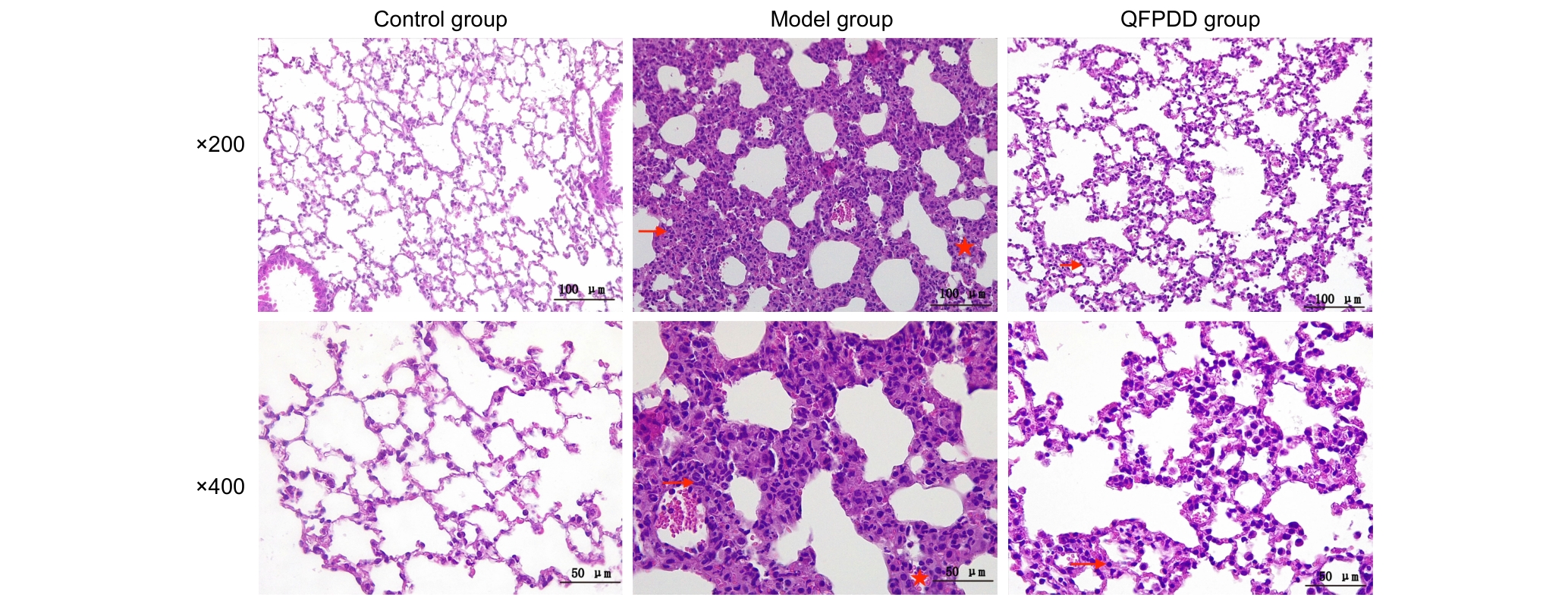
Objective To investigate the preventive and therapeutic effects of Qingfei Paidu decoction (QFPDD) on acute lung injury (ALI) in mice and its underlying molecular mechanisms based on miRNA sequencing technology. Methods Twenty-four 4-week-old male KM mice were randomly divided into a control group, a model group, and a QFPDD group (n = 8 per group). After one week of acclimatization, mice in the control and model groups were intragastrically administered ultrapure water (0.2 mL per dose), whereas mice in the QFPDD group were intragastrically administered QFPDD (1.6 g crude drug/mL, 0.2 mL per dose), twice daily for 8 consecutive days. On days 2–8, mice in the model and QFPDD groups were exposed to aerosolized lipopolysaccharide (LPS) solution (2.5 g/L, 4 mL per exposure) for 7 consecutive days. On day 9, blood was collected via the retro-orbital venous plexus under deep anesthesia, and lung tissues were harvested. Body weight and lung weight were measured, and the lung coefficient was calculated. Serum levels of inflammatory cytokines tumor necrosis factor-α (TNF-α), interleukin (IL)-1β, and IL-6 were detected by ELISA. Lung histopathological changes were observed by HE staining of paraffin-embedded sections. miRNA expression profiles in lung tissues were analyzed using the Illumina HiSeq 2500 sequencing platform. Target genes of differentially expressed miRNAs were predicted using bioinformatics databases, and functional enrichment analysis of these target genes was performed using gene ontology (GO) and Kyoto Encyclopedia of Genes and Genomes (KEGG) databases. Differentially expressed miRNAs were validated by reverse transcription quantitative real-time PCR (RT-qPCR). Results Compared with the control group, the model group showed a consistent body weight growth trend but a significantly increased lung coefficient (P < 0.01). ELISA results showed that serum levels of TNF-α and IL-6 were significantly elevated in the model group compared with the control group (P < 0.01), whereas QFPDD treatment significantly reduced serum TNF-α and IL-6 levels compared with the model group (P < 0.05). HE staining showed that, compared with the control group, the model group exhibited widened alveolar septa, massive inflammatory cell infiltration, partial alveolar expansion, and mild capillary dilation with congestion. In contrast, the QFPDD group showed only slightly widened alveolar septa and mild inflammatory cell infiltration compared with the model group. Intersection analysis of miRNA sequencing data identified 13 differentially expressed miRNAs common to both the model vs. control and QFPDD vs. model comparisons. Among them, 6 miRNAs (mmu-miR-203-3p, mmu-miR-181b-5p_R-1, hsa-miR-4286_R+1, mmu-miR-1843b-5p_L+1R-1_2, mmu-miR-22-3p, and mmu-miR-1964-3p) were significantly up-regulated in the model group (P < 0.05) and significantly down-regulated after QFPDD treatment (P < 0.05), showing a therapeutic reversal trend. GO analysis revealed that the target genes of the differentially expressed miRNAs were mainly enriched in biological processes such as RNA polymerase Ⅱ transcriptional regulation. KEGG analysis indicated that target genes were mainly enriched in signaling pathways including the mitogen-activated protein kinase (MAPK) pathway. RT-qPCR validation result for mmu-miR-203-3p was consistent with the sequencing analysis results. Conclusion QFPDD may exert preventive and therapeutic effects against ALI by regulating the expression of mmu-miR-203-3p and other miRNAs, thereby modulating inflammatory responses and the MAPK signaling pathway and participating in the pathological process of lung injury.
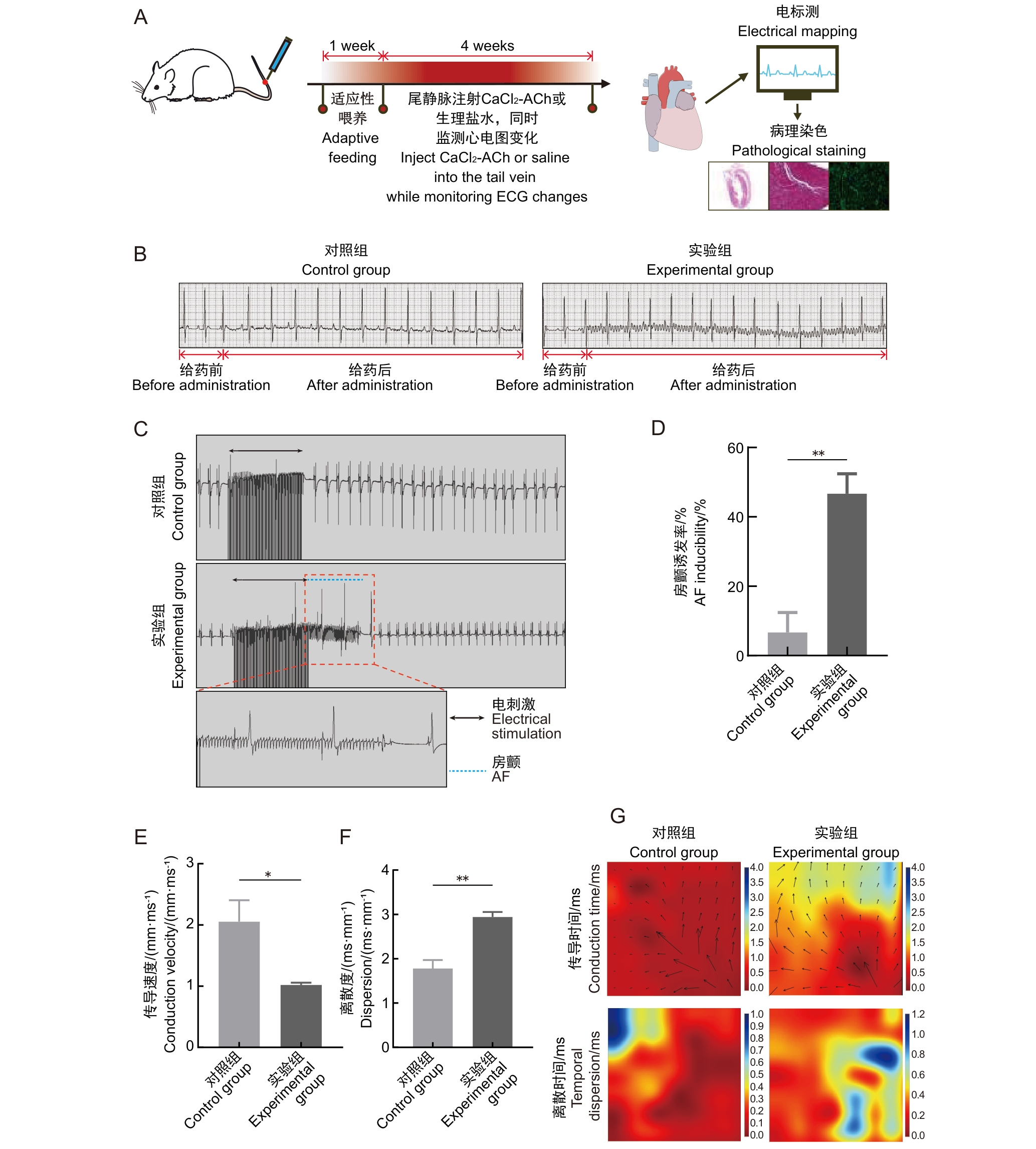
Objective To elucidate the effects of autonomic neuromodulators [calcium chloride (CaCl2)-acetylcholine (ACh)] on atrial electrical remodeling and histopathological changes in rats, thereby providing evidence for further investigation into the pathological mechanisms by which autonomic imbalance induces atrial fibrillation (AF). Methods Ten 8-week-old male Sprague-Dawley (SD) rats were randomly divided into experimental and control groups, with 5 rats in each group. The experimental group received daily tail vein injections of a CaCl2-ACh mixed solution for 28 days, while the control group received an equal volume of saline. Surface electrocardiograms were recorded before and after daily administration. On day 28 of administration, under isoflurane inhalation anesthesia, echocardiography was performed, and then the rats were euthanized by exsanguination under isoflurane anesthesia for tissue collection. Body weight and heart weight of rats were measured, and electrophysiological parameters including AF inducibility, conduction velocity, and conduction dispersion in isolated rat hearts were monitored using the MappingLab multichannel electrophysiological mapping system. HE staining was performed to evaluate atrial tissue architecture and inflammatory cell infiltration. The expression levels of matrix metalloproteinase 9 (MMP-9) and interleukin-1 beta (IL-1β) were analyzed by Western blotting. Masson staining was used to quantitatively analyze the proportional distribution of collagen fibers and myocardial fibers, and to calculate the area of collagen deposition, thereby evaluating the degree of myocardial fibrosis. Wheat germ agglutinin (WGA) staining was used to evaluate morphological changes of cardiomyocytes. Dihydroethidium (DHE) staining was used to detect the level of oxidative stress in atrial myocytes. Terminal deoxynucleotidyl transferase-mediated dUTP nick-end labeling (TUNEL) staining was used to detect atrial cell apoptosis. Results Compared with the control group, the experimental group showed obvious arrhythmias on electrocardiograms. Echocardiography after 28 days of administration revealed significant structural remodeling in the experimental group, with a marked increase in left atrial anteroposterior diameter (P < 0.05), and also showed cardiac dysfunction, with significant decreases in left ventricular ejection fraction and left ventricular fractional shortening (P < 0.01). Compared with the control group, the experimental group showed a significantly increased heart weight-to-body weight ratio (P?<?0.05), a markedly higher AF inducibility (P?<?0.001), a significantly slowed atrial conduction velocity (P?<?0.05), an uneven isochronal map with irregular directions, and a significantly increased conduction dispersion (P?<?0.01). HE staining showed that atrial myocytes in the experimental group were disorganized, with slight inflammatory cell infiltration. Western blotting showed that the expression levels of MMP-9 and IL-1β in the atrial tissue of the experimental group were significantly upregulated (P < 0.05). Masson staining showed a significant increase in collagen deposition and a significant increase in fibrosis area in the atrial tissue of the experimental group (P < 0.001). WGA staining showed that cardiomyocytes in the experimental group were significantly hypertrophied compared with the control group (P < 0.05). DHE staining and TUNEL staining revealed that the level of oxidative stress in atrial myocytes (P < 0.001) and the apoptotic rate (P < 0.01) were both significantly increased. Conclusion Daily tail vein injections of the autonomic neuromodulator CaCl2-ACh mixed solution for 28 days can successfully induce AF in rats, accompanied by significant atrial structural remodeling, electrical remodeling, and oxidative stress.
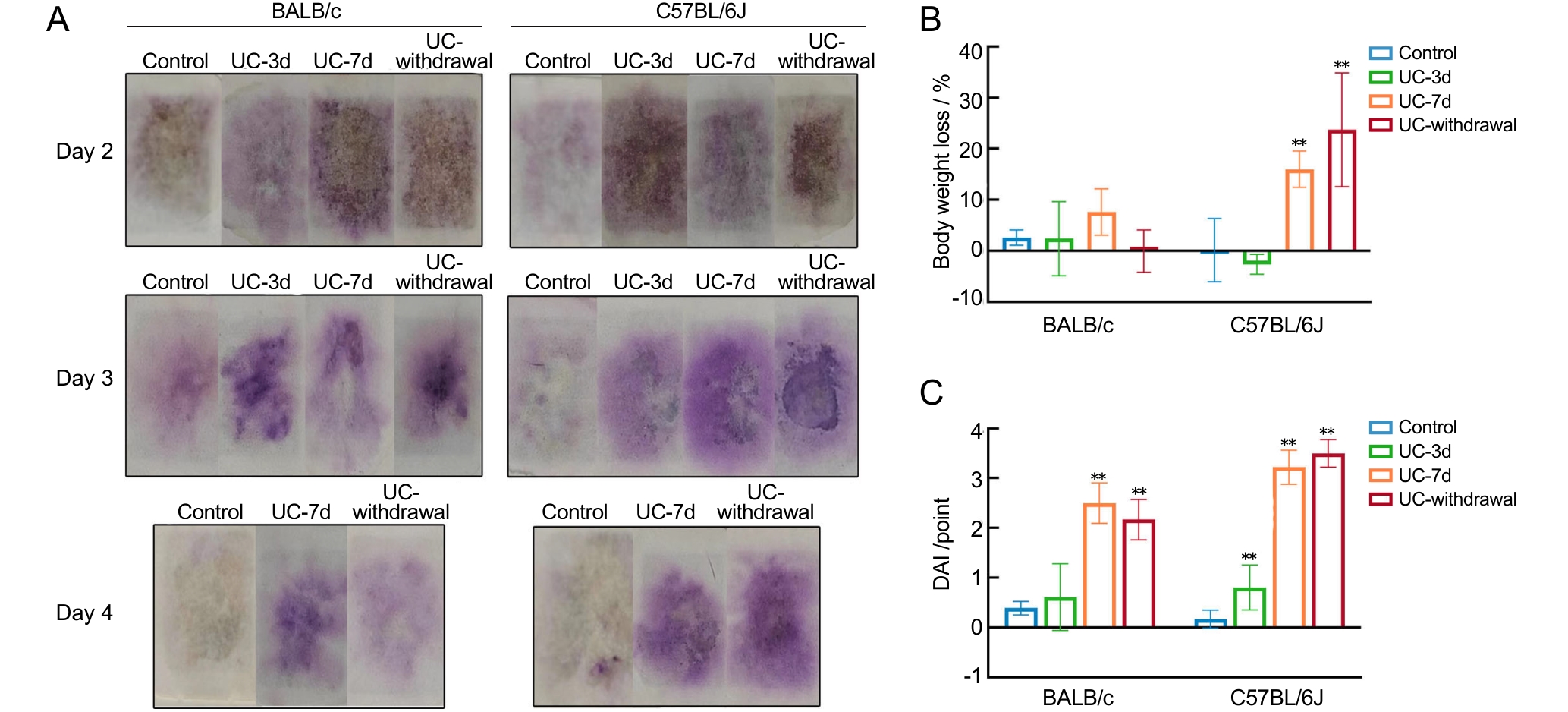
Objective To compare female C57BL/6J and BALB/c mice models of ulcerative colitis (UC) induced by dextran sulfate sodium salt (DSS), providing a reference for selecting female animal models in studies of innovative drugs for UC treatment. Methods A total of 48 female mice aged 6–8 weeks, including 24 C57BL/6J and 24 BALB/c mice, were divided into four groups: control group, UC-3d group (2.5% DSS drinking for 3 days), UC-7d group (2.5% DSS drinking for 7 days), and UC-withdrawal group (2.5% DSS drinking for 7 days followed by 3 days of pure water replacement), with 6 mice in each group. Body weight, fecal occult blood, and stool characteristics were recorded daily, and disease activity index (DAI) scores were calculated. At the end of DSS induction, mice were gavaged with fluorescein isothiocyanate (FITC)-labeled dextran solution before tissue collection. Four hours later, under deep anesthesia induced by inhalation of 4% isoflurane, blood samples were collected from the retro-orbital venous plexus, and euthanasia was performed by cervical dislocation. The colon was then separated immediately, and its length from the anus to the ileocecal junction was measured. Colon tissues were fixed, embedded, and sectioned, and they were evaluated using hematoxylin-eosin (HE) staining and alcian blue-periodic acid-Schiff (AB-PAS) staining to comprehensively assess the degree of colonic inflammation. The spleen was also collected and weighed, and the spleen coefficient was calculated. Serum FITC fluorescence intensity and D-lactic acid concentration were measured to evaluate intestinal permeability and barrier injury. The grooming duration, the number of buried marbles, the time spent in the center of the open field, and the total distance traveled were measured to evaluate anxiety/depression-like behaviors in mice. Results Fecal occult blood appeared in both C57BL/6J and BALB/c mice after 3 days of ad libitum access to DSS. Compared with the control group, there was no significant change in the weight loss rate of female BALB/c mice in the UC-7d and UC-withdrawal groups (P > 0.05), but the DAI score increased (P < 0.01). Conversely, both the weight loss rate and DAI score increased for female C57BL/6J mice in the UC-7d and UC-withdrawal groups (P < 0.01). In female C57BL/6J mice, both the UC-7d and UC-withdrawal groups had higher spleen coefficients than the control group (P < 0.05). Additionally, in these groups, colon length was significantly reduced (P < 0.01), FITC fluorescence intensity in serum was markedly increased (P < 0.01), obvious inflammatory reaction areas appeared in the colon, and the goblet cells and acidic mucus layer were damaged. In contrast, in female BALB/c mice, no significant differences were observed in colon length, serum FITC fluorescence intensity, or D-lactic acid concentration between the UC-7d and UC-withdrawal groups compared with the control group (P > 0.05). Only a few inflammatory cells and damaged goblet cells were observed in the colonic mucosal layer, and no other obvious pathological changes were detected. In addition, female C57BL/6J mice in the UC-7d group showed a significantly reduced total distance in the open field and fewer buried marbles (P < 0.05), indicating depression-like behavior, as well as prolonged grooming duration (P < 0.05), indicating anxiety-like behavior. Conclusion Female BALB/c mice are not sensitive to 2.5% DSS and do not show typical colonic pathological changes of UC. In contrast, ad libitum access to 2.5% DSS for 7 days successfully induces typical UC pathological symptoms and colonic pathological changes in female C57BL/6J mice. These changes persist for 3 days after DSS withdrawal, and the mice also exhibit symptoms of anxiety/depression. The results suggest that this model can be used for research on the pathogenesis and therapeutic drugs of UC.
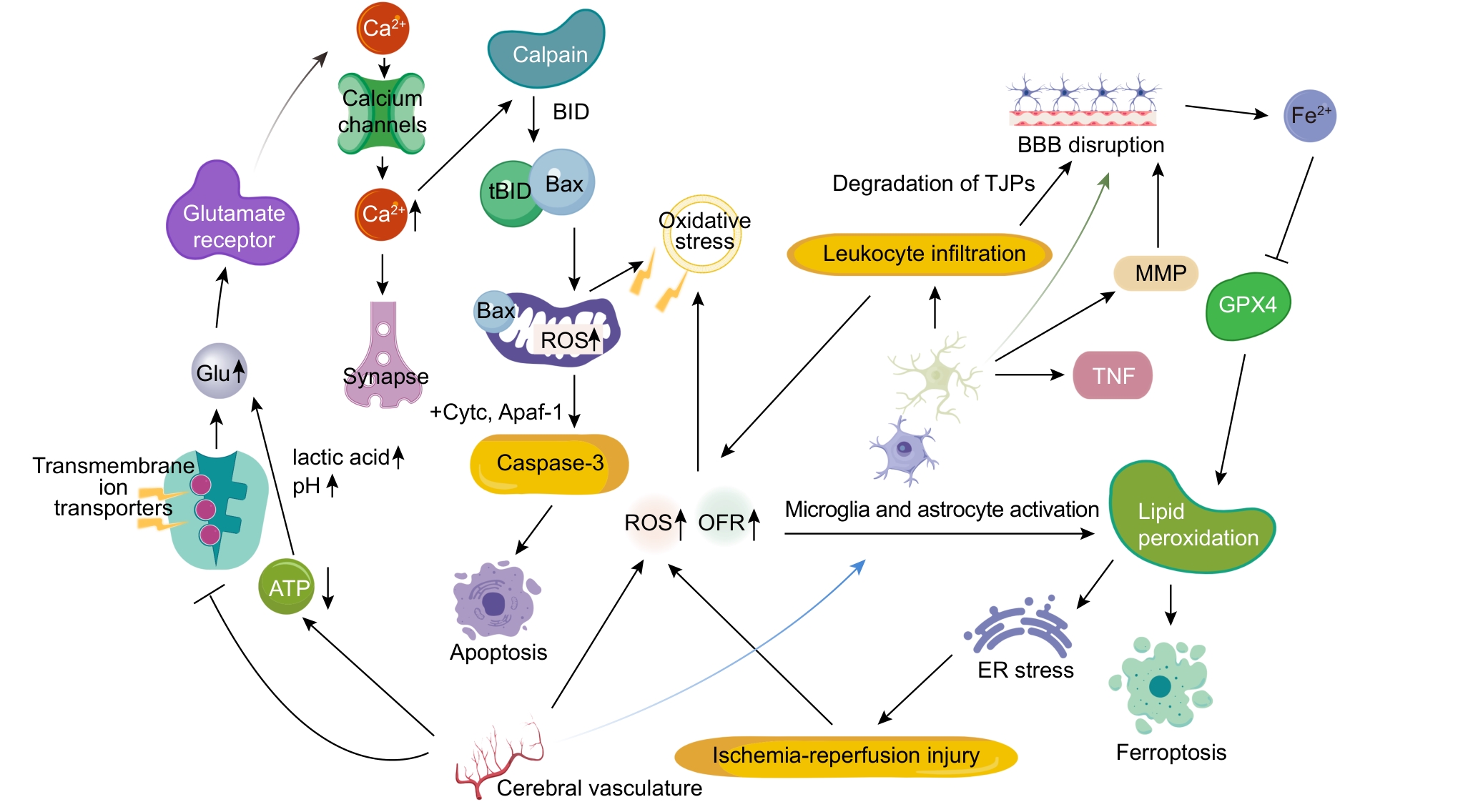
The pathophysiological process of ischemic stroke (IS) is highly complex. Current clinical treatments are limited by a narrow therapeutic time window and are inadequate for improving residual neurological dysfunction. Therefore, animal models have become essential tools for exploring the pathological mechanisms of this disease from both traditional Chinese medicine (TCM) and Western medicine perspectives, as well as for evaluating innovative therapeutic strategies. This review systematically outlines existing IS modeling methods and cutting-edge advances. It comparatively integrates the multi-layered pathogeneses in Western medicine, including excitotoxicity, oxidative stress, inflammatory responses, blood-brain barrier injury, ferroptosis, and PANoptosis, with the core TCM pathogenesis characterized by disorders of Qi and blood and functional imbalance caused by "wind, fire/heat, phlegm, blood stasis, and deficiency." Furthermore, this paper categorizes and compares the specific modeling techniques, evaluation indicators, and respective advantages and limitations of focal cerebral ischemia models, global cerebral ischemia models, and TCM disease-syndrome combined models, such as the Qi deficiency and blood stasis syndrome. Literature review suggests that, by exploring emerging cell death mechanisms like PANoptosis and introducing environmental stress or dietary interventions on the basis of ischemic modeling, specific TCM syndromes associated with IS can be preliminarily screened out and replicated. It provides a feasible approach for objectively elucidating the biological basis of TCM interventions involving multiple targets and pathways. Given that traditional single-disease models fail to fully capture the complexity and individual heterogeneity of the cerebral network microenvironment in clinical patients, future research on IS animal models should focus on the deep integration of TCM and Western medicine in pathogenesis. By leveraging multidisciplinary technologies, such as gene editing, high-resolution in vivo imaging, artificial intelligence-driven multi-omics analysis, and brain organoids, researchers can construct high-biomimetic, multi-dimensional models that closely mirror clinical scenarios, thereby effectively improving the success rate of translating innovative IS therapies from basic research to clinical application.
Hemorrhoids are common anorectal diseases with complex pathogenesis, and there is still a lack of ideal experimental animal models for research on their prevention and treatment. In this paper, Chinese and English databases are searched with the keywords "hemorrhoids" and "animal model", and 36 relevant studies are finally included. The shortcomings of existing hemorrhoid animal models in integrating the clinical disease and syndrome characteristics of traditional Chinese and Western medicine are systematically analyzed, and the consistency of various models with clinical practice is evaluated. The studies are divided into four categories according to modeling methods: chemical modeling, physical modeling, biological modeling, and combined modeling. The clinical consistency of modeling is evaluated in combination with the diagnostic points of hemorrhoids in traditional Chinese and Western medicine. The results show that there are significant differences in the reproduction of clinical indicators by different modeling methods. According to clinical consistency, the models can be divided into three grades: high-consistency models are mainly based on combined modeling methods (such as induction by carrageenan combined with norepinephrine hydrochloride), which can more comprehensively simulate core pathological changes such as venous congestion and local inflammation; moderate-consistency models adopt single chemical or physical intervention (such as local inflammation induced by croton oil or vein ligation), which can only reproduce part of the pathological process; low-consistency models mostly adopt direct stimulation, with limited research value for pathological characteristics. Existing animal models have obvious advantages in replicating Western medical structural lesions of hemorrhoids, but they still have obvious defects in simulating the chronic disease course and stably reproducing the characteristics of traditional Chinese medicine syndromes, and a unified standard has not yet been formed for the traditional Chinese medicine evaluation system of models. In conclusion, it is still necessary to further explore the construction of high-quality integrated disease and syndrome animal models for hemorrhoids in traditional Chinese and Western medicine. Future research should integrate the theories of traditional Chinese and Western medicine, adopt multi-factor chronic modeling strategies, and establish a standardized comprehensive evaluation system covering macroscopic signs and microscopic indicators. This paper provides a reference for constructing standardized integrated disease and syndrome animal models of hemorrhoids that conform to the pathological changes of Western medicine and take into account the characteristics of traditional Chinese medicine syndromes, with the aim of providing more effective experimental tools for research on the pathogenesis of hemorrhoids and their integrated prevention and treatment with traditional Chinese and Western medicine.
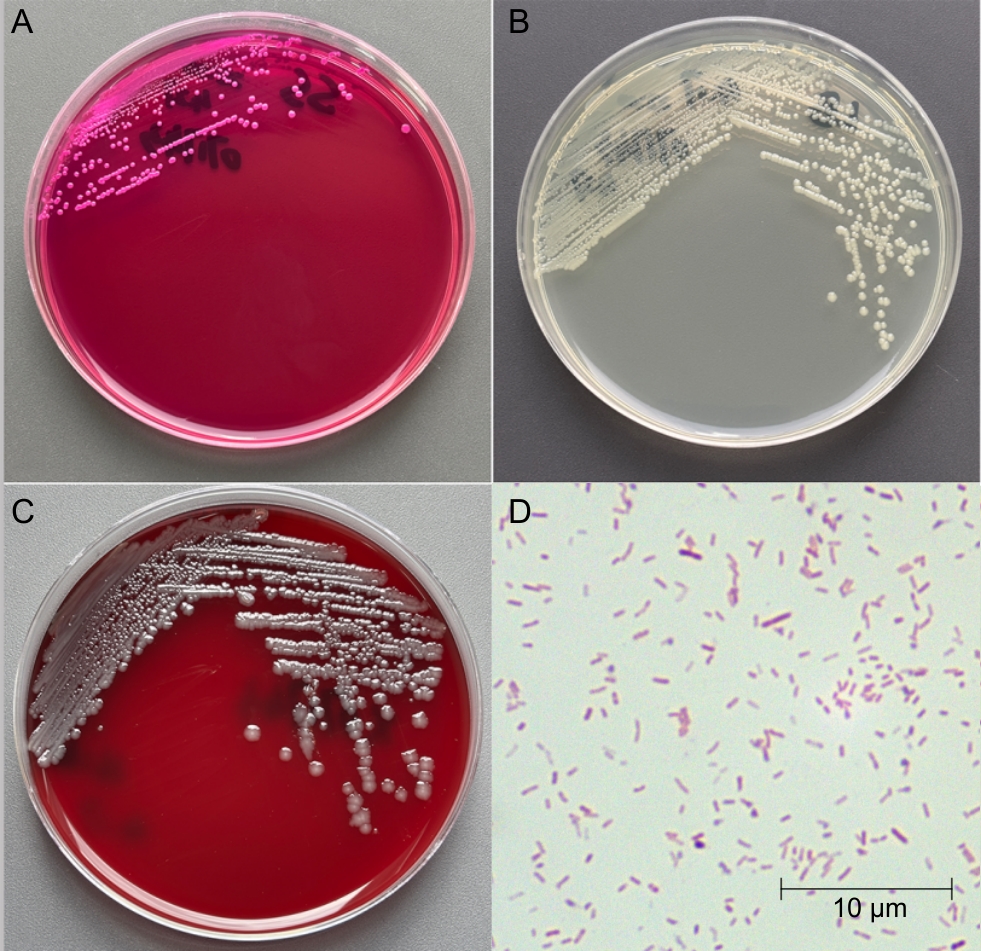
Objective Identification and analysis, animal regression test, and drug susceptibility study were conducted on a pathogenic strain causing diarrhea in cynomolgus monkeys, aiming to provide a practical basis for the clinical treatment of Citrobacter freundii. Methods Fresh fecal samples were collected from nine diarrheal cynomolgus monkeys and streaked on Salmonella-Shigella (SS) medium, LB medium, and Columbia blood agar medium, and incubated at 37 ℃ for 24 h. Subsequently, the isolated strain was identified by colony morphology observation, Gram staining, biochemical tests and 16S rRNA gene sequencing, and PCR was used to detect its major virulence genes. After propagation, the isolate was intragastrically administered to healthy cynomolgus monkeys and C57BL/6 mice for animal regression tests to evaluate its pathogenicity. Finally, the disk-diffusion method was used to detect the antimicrobial susceptibility of the isolate. Results A single bacterial strain, designated MF071743, was isolated from 9 fecal samples collected from diarrheal cynomolgus monkeys. The isolate formed pink, smooth, round colonies on SS medium; translucent, smooth, moist, shiny colonies with neat edges on LB medium; and smooth, moist, off-white colonies on Columbia blood agar medium. Gram staining revealed that the isolate was a Gram-negative, spore-free short bacillus. Biochemical tests showed that the isolate was positive for motility test, mannitol test, hydrogen sulfide test, methyl red test, citrate utilization test, gas production from glucose test, raffinose test, sorbitol test, and D-xylose test, but negative for phenylalanine test, gluconate test, indole test, Voges Proskauer (VP) test, urease test, lysine test, ornithine test, and adonitol test. The results of 16S rRNA gene sequencing showed that the gene sequence similarity between strain MF071743 and Citrobacter freundii was 99.0%. PCR results showed that this strain carries genes encoding the urease accessory proteins UreD, UreE, and UreF. Animal intragastric administration assays demonstrated that the strain caused loose stools in cynomolgus monkeys, and all C57BL/6 mice died within 72 h. Drug susceptibility test results indicated that the isolate was sensitive to 16 antibiotics, including ceftriaxone, amikacin, gentamicin, ceftazidime, and levofloxacin, while it exhibited resistance to 5 antibiotics, including ampicillin, cefazolin, vancomycin, erythromycin, and cephalexin. Conclusion A strain of Citrobacter freundii with certain drug resistance was isolated from the feces of diarrheal cynomolgus monkeys. The results of this study provide a reference for the diagnosis and treatment of gastrointestinal diseases in captive laboratory monkeys.
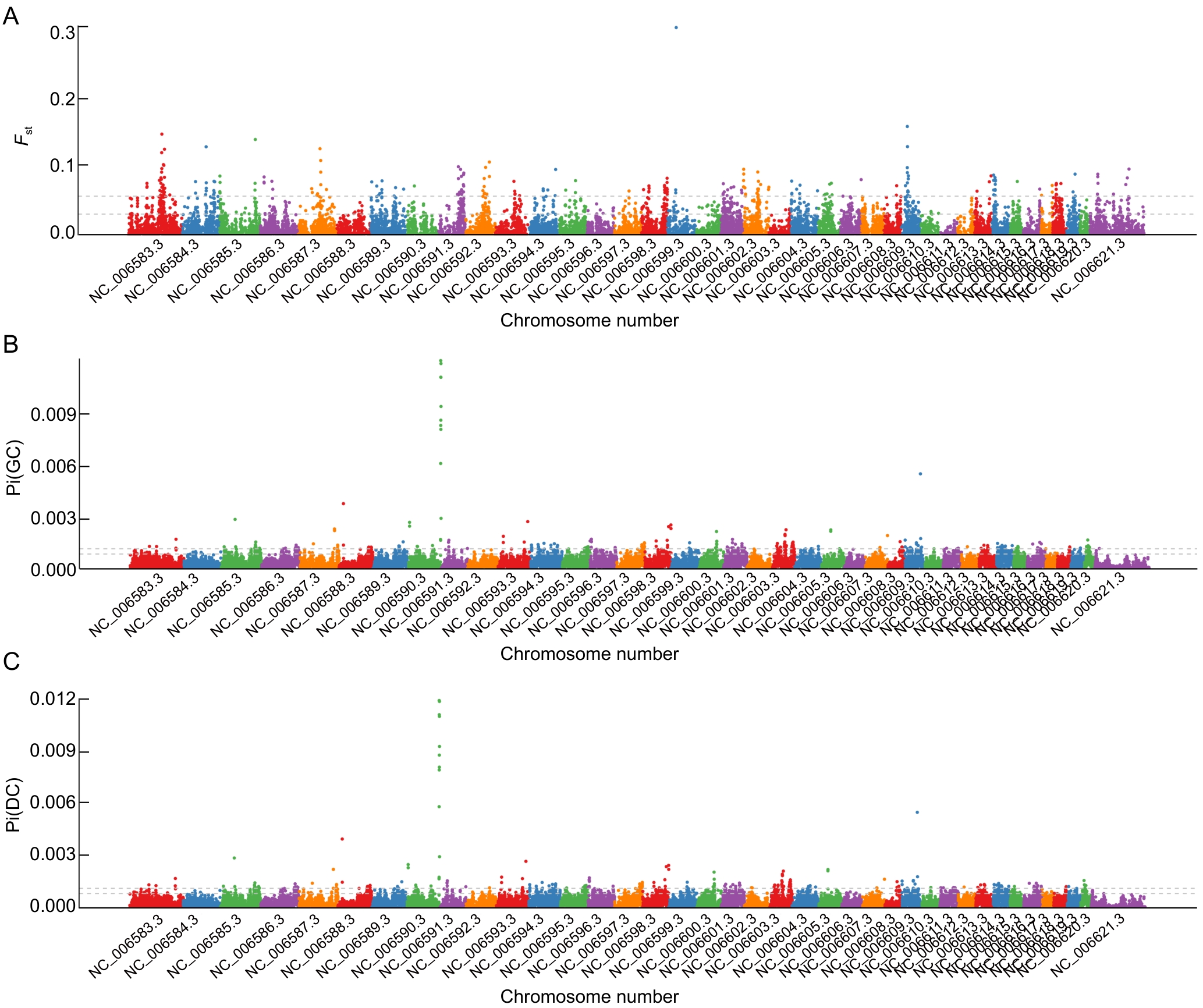
Objective Candidate genes related to the regulation of litter size traits in English Springer Spaniel breeding bitches are explored, and the genetic mechanism underlying fertility in this breed is investigated, in order to provide reference molecular markers for genomic selection of high fecundity. Methods Whole genome resequencing was performed on English Springer Spaniel breeding bitches that had given birth to at least 3 litters, and the bitches were divided into a high-litter-size group and a low-litter-size group according to the average litter size. Selection signal analysis was used to obtain the intersection of fixation index (Fst) and nucleotide diversity (Pi) signals as highly selected regions, and candidate genes were screened based on gene annotation and functional enrichment analysis. Results The average litter size in the high-litter-size group (7.41±1.27) was significantly higher than that in the low-litter-size group (3.82±1.20) (P<0.05), and the total number of live offspring in the high-litter-size group (7.06±1.10) was extremely significantly higher than that in the low-litter-size group (3.67±1.11) (P<0.01). A total of 3 155 706 SNPs were detected in the two groups, 63.09% of which were located in intergenic regions, 33.96% in intronic regions, and 0.38%, 0.57%, and 0.09% in exonic regions, 3' untranslated regions (UTRs), and 5'UTRs, respectively. Among the SNPs in exonic regions, 5 256 were nonsynonymous variants, accounting for 43.55%. A total of 1 752 differential genes were identified after annotation screening. Gene ontology (GO) and Kyoto Encyclopedia of Genes and Genomes (KEGG) enrichment analyses identified 13 candidate genes that may affect reproductive performance and litter size traits, including WDR35, SMAD7, RPGR, RERGL, PGRMC2, LOC482182, GIMD1, COX7B2, COX16, BMPR2, BMP6, BICD1, and SLC9C1. Their functions mainly involve reproductive hormone regulation, embryonic development, GTPase activation, and oocyte apoptosis. Conclusion English Springer Spaniel breeding bitches have undergone significant artificial selection for litter size traits. These 13 candidate genes play key roles in oocyte maturation and regulation during early pregnancy, providing a new molecular basis for elucidating the genetic mechanism of canine reproductive traits.
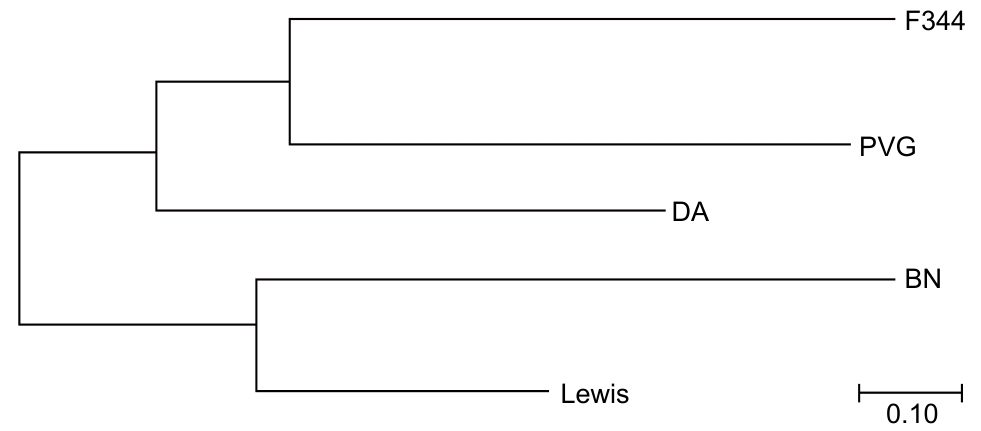
Objective To screen a set of short tandem repeat (STR) markers covering rat chromosomes 1-20 and the X chromosome, with 2-4 markers on each chromosome, and establish a dedicated marker panel for genetic contamination detection and strain identification of 5 commonly used inbred rat strains. Methods Six 6-8 week-old rats (half male and half female) were selected from F344, BN, DA, Lewis, and PVG strain, respectively. Genomic DNA was extracted from rat tail tissues. A total of 61 STR markers were selected, including 27 from the national standard GB 14923—2022 and 34 from the literature. Singleplex STR PCR amplification combined with capillary electrophoresis was used for genotyping of the 5 inbred rat strains, and genotype data were analyzed using GeneMapper ID v3.2 software. Based on the STR genotyping results, genetic distances between strains were calculated with GenAlEx 6.51b2 software, and a phylogenetic tree of the inbred rat strains was constructed using MEGA7 software. Results Among the 61 STR markers, non-specific amplification was observed for D15mit3, while no specific amplification product was obtained for D3wox7. LCA, AGT, and D5Hmgc2 exhibited no inter-strain polymorphism across the 5 inbred strains, while the remaining 56 markers exhibited inter-strain polymorphism. These 56 markers covered rat chromosomes 1-20 and the X chromosome (2-4 markers per chromosome). Among them, 42 markers could be used for genetic contamination detection in inbred rat strains. The amplified product lengths of D7wox14, D15rat123, and D20wox3 differed among the 5 strains, which could be applied for strain identification. The phylogenetic tree showed that the number of STR allelic differences between BN and F344 strains was 49, with a genetic distance of 1.775, both of which were the highest among all strain pairs. This indicated that the two strains exhibited the highest level of genetic differentiation and were the most distantly related. Among the 5 strains, F344, DA, and PVG clustered together, indicating their relatively close genetic distance, while BN and Lewis formed another cluster, indicating a relatively close genetic distance between them. The genetic relationships among the 5 strains were consistent with previous reports. Conclusion This study successfully screened a set of STR markers for molecular genetic detection of 5 commonly used inbred rat strains, including F344, BN, DA, Lewis, and PVG, and established specific marker combinations for genetic contamination detection and strain identification, respectively.
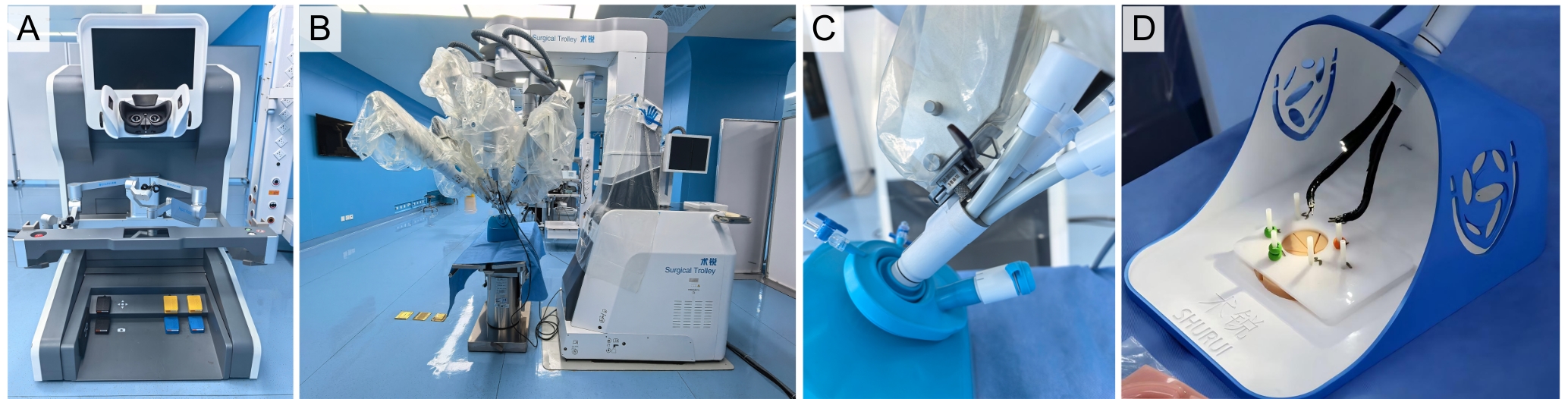
Objective To verify the technical feasibility and safety of partial nephrectomy in experimental pigs using a single-port endoscopic surgical robot in a transcontinental ultra-remote environment spanning 13 000 km with an average network delay of 204 ms, and to explore a dynamic combined anesthesia strategy that can effectively prevent intraoperative body movement in animals. Methods The research team used one experimental pig in Shanghai, China, and one in Orlando, the United States, and performed bidirectional remote surgery using the same model of single-port endoscopic surgical robot system. The anesthesia regimen included preoperative administration of 0.02 mg/kg dexmedetomidine hydrochloride and 0.05 mg/kg fentanyl citrate for combined sedation and analgesia. During remote surgery, according to the animal's reflex activity, pain response, and train-of-four stimulation (TOF) count results, vecuronium bromide was continuously infused at an initial rate of 0.04 mg·kg-1·h-1, and the dose was dynamically adjusted. Together with isoflurane inhalation anesthesia, the animal was maintained in a deep neuromuscular block state (TOF=0) to prevent intraoperative body movement. In addition, heart rate, blood pressure, muscle relaxation, and other indicators were monitored throughout the operation. Results Surgical operations were successfully performed at both sites, and the network delay remained stable at 202-208 ms. There was no data packet loss and no robot equipment failure. The vital signs of the experimental animal in Shanghai, China, remained stable, with zero body movement throughout the operation. Intraoperative blood loss was controllable, and no abnormal bleeding occurred. Conclusion In transcontinental ultra-remote robotic surgery with inherent network delay, a dynamically adjusted anesthesia strategy can effectively avoid accidental bleeding caused by animal body movement and reduce the risks associated with network latency, thereby verifying the feasibility of this technical approach. In the future, it will be necessary to build a real-time cross-regional physiological data synchronization platform, standardize anesthesia protocols for animals undergoing remote surgery, and provide a technical basis for clinical translation to human trials.
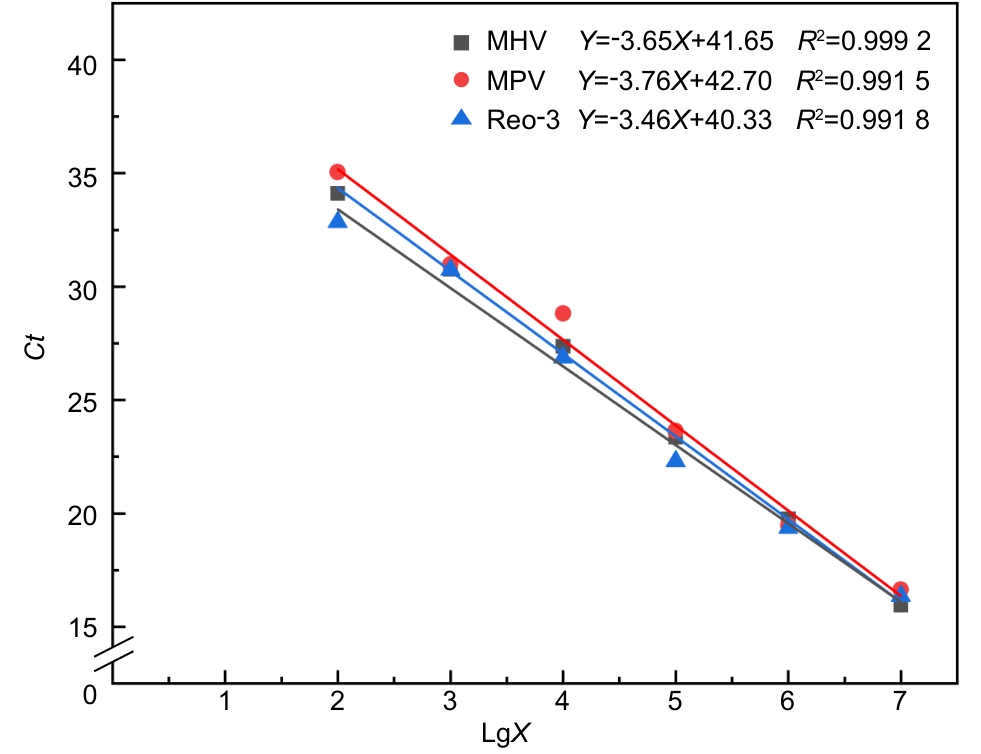
Objective To establish a highly specific and sensitive triplex TaqMan quantitative PCR method for the detection of mouse hepatitis virus (MHV), mouse parvovirus (MPV), and reovirus type 3 (Reo-3) in laboratory mice. Methods Recombinant plasmid standards were constructed using conserved genomic regions of the three target viruses. Specific primers and probes were designed, and a triplex TaqMan quantitative PCR (qPCR) system was optimized through preliminary experiments. Sensitivity was evaluated using 10-fold serial dilutions (101-107 copies/μL). Intra- and inter-assay repeatability were assessed via reproducibility experiments. Results A strong linear correlation (R2>0.99) was observed between copy number and Ct value at template concentrations of 102-107 copies/μL. Intra-assay and inter-assay coefficients of variation (CV) were both below 5%. No cross-reactivity was observed with mouse cytomegalovirus (MCMV), vesicular stomatitis virus (VSV), Sendai virus (SeV), or pneumonia virus of mice (PVM). Conclusion The triplex TaqMan quantitative PCR method established in this study has high sensitivity, good repeatability, and strong specificity. It enables the rapid, specific, and sensitive detection of MHV, MPV, and Reo-3, allows the simultaneous detection of multiple pathogens in a single tube, and can be applied to the detection of clinical samples from laboratory animals and to epidemiological investigations, thereby providing effective scientific and technological support for the prevention and control of viral infection and the interruption of transmission.
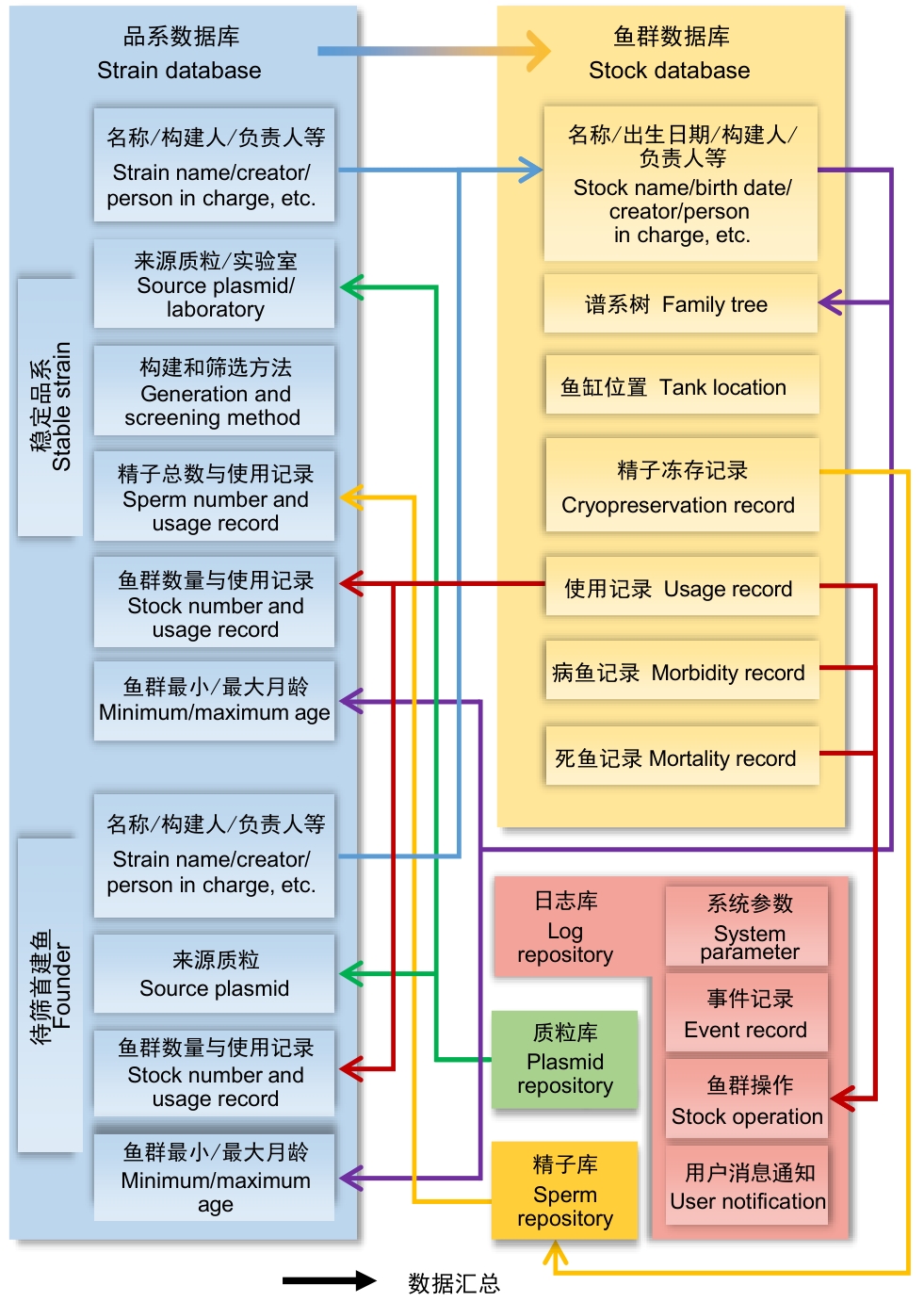
Objective This study aims to improve the management efficiency of zebrafish strains and zebrafish facilities and to transform the traditional management model that relies on manual labor. The goal is to promote a comprehensive transition from traditional manual operation to standardized, digitalized, automated, and refined management, thereby significantly improving management quality and work efficiency. Methods The research group independently developed the "Zebrafish Facility and Zebrafish Strain Automation Management System V1.0" (Software Copyright Registration No. 2021SR0236837), which comprehensively recorded all operational data of the zebrafish facilities and completed data on zebrafish strains. By combining in-depth mining of these data with management experience, management regulations were transformed into executable system instruction sets, and a full-process automated closed-loop management framework of "Monitoring–Analysis–Early Warning–Task Assignment–Execution–Recording" was established. Results This management system has been operating stably for 5 years and has been successfully applied in 3 zebrafish facilities, cumulatively supporting 78 researchers and efficiently managing 1 108 plasmids and 1 123 zebrafish strains, among which 291 strains has been incorporated into zebrafish sperm bank management. A Likert scale survey of 28 core users covering 14 evaluation dimensions across 4 major categories showed average scores of 4.46–4.89, all far above the midpoint (3 points) of the scale, indicating that users gave high evaluations to all dimensions of the system. Meanwhile, the standard deviations of most dimensions were low (s ≤ 0.44), reflecting good consistency in user evaluations. Conclusion This study integrates information technology, big data analysis, and modern management concepts to achieve a virtuous cycle of "data collection–analysis and execution–system optimization" in zebrafish facility management. It significantly improves management efficiency and refinement and promotes the development of management models toward automation.
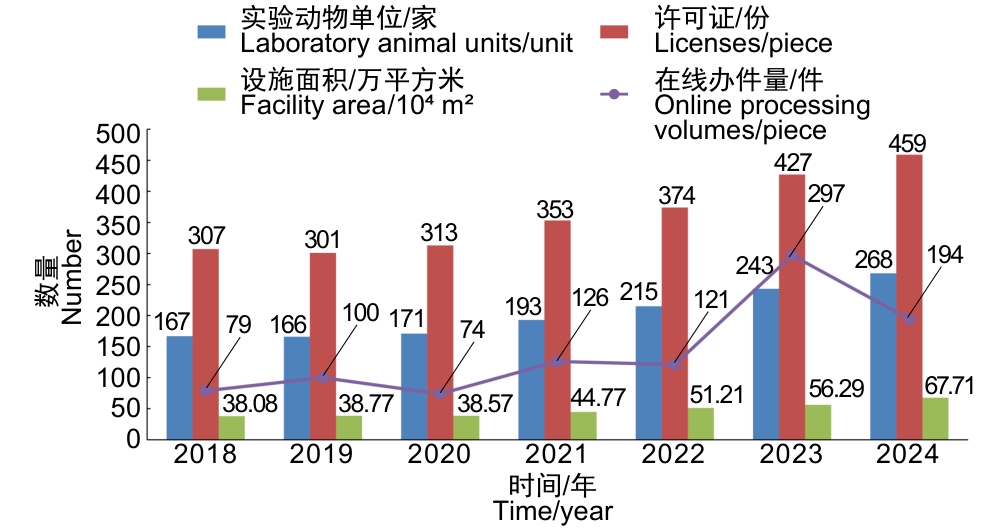
Digital government refers to the wide application of digital technology in government management and services, promoting the optimization of government governance processes, model innovation, and performance enhancement, and building a new form of digital and intelligent government operation. Laboratory animal management is an important national foundational and strategic support work. It is closely related to digital government construction, and is not only an important part of digital government construction but also a typical application of government digital transformation in the field of science and technology. Digital transformation empowering laboratory animal management is a new proposition of government governance in the digital age, and research on its systematic and holistic reform is crucial. Through digital technologies such as artificial intelligence, big data, and cloud computing, the government can optimize approval process, strengthen in-process and post-event supervision, and promote regional coordination, thereby improving laboratory animal management capacity and service levels. In addition, laboratory animal data sharing contributes to government scientific decision-making and industry supervision. This article summarizes the experience and practices of domestic leading regions in recent years, reviews the background and development process of digital transformation of laboratory animal management in Jiangsu Province, describes the current status of such digital transformation in Jiangsu Province across areas including digital infrastructure, data sharing, and government services, analyzes existing challenges in top-level design, data governance, and data sharing, and, focusing on institutional mechanisms, government functions, data governance, and support systems, puts forward corresponding transformation ideas, frameworks, and pathways and provides an outlook. Thereby it provides a reference for the high-quality development of laboratory animal management in Jiangsu Province and other regions.
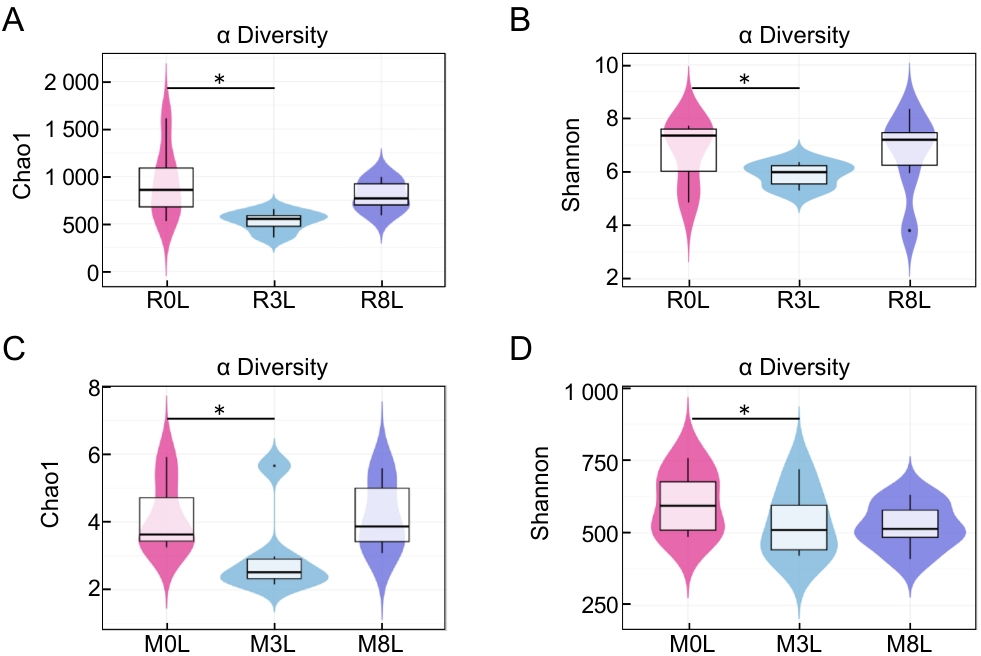
Objective To evaluate the effects of drinking chlorinated water on the intestinal flora of rats and mice and to explore differences in the intestinal microecological responses of model animals to chlorine stimulation in chlorinated drinking water systems. Methods Six 8-week-old male SD rats and six 8-week-old male C57BL/6J mice were acclimated for 5 days. Subsequently, the drinking water for both rats and mice was changed from pure water to water containing free chlorine at a concentration of 25.4–32.4 nmol/L. The intervention lasted for 8 weeks, during which all animals were fed the same diet. Fecal samples were collected before the intervention (week 0, as the control group) and on the last day of week 3 and week 8 (as the chlorinated water group), and microbial composition was analyzed by 16S rRNA sequencing, including α diversity (Chao1 and Shannon indices), β diversity [principal component analysis (PCA)], and linear discriminant analysis effect size (LEfSe) analysis. Results After 3 weeks of intervention, α diversity of the intestinal flora in both rats and mice in the chlorinated water group was significantly lower than that in the control group (P < 0.01). After 8 weeks of intervention, no significant difference in α diversity was observed between rats in the chlorinated water group and those in the control group, whereas α diversity in mice remained significantly lower than that in the control group (P < 0.01). β diversity analysis showed significant alterations in microbial structure in the chlorinated water group. LEfSe analysis indicated that, compared with the control group, the abundances of Bacteroides and Ruminococcus were significantly reduced in the chlorinated water group, and microbial disturbance was more pronounced in mice [linear discriminant analysis (LDA) > 4.0], with a greater decrease in microbial diversity and a larger number of differentially abundant genera. Conclusion Consumption of chlorinated water can alter the diversity and structure of the intestinal flora in both rats and mice, with mice being more sensitive to this exposure. These findings suggest that the potential effects of chlorine on gut microecology should be considered in drinking water management and model selection for animal experiments.
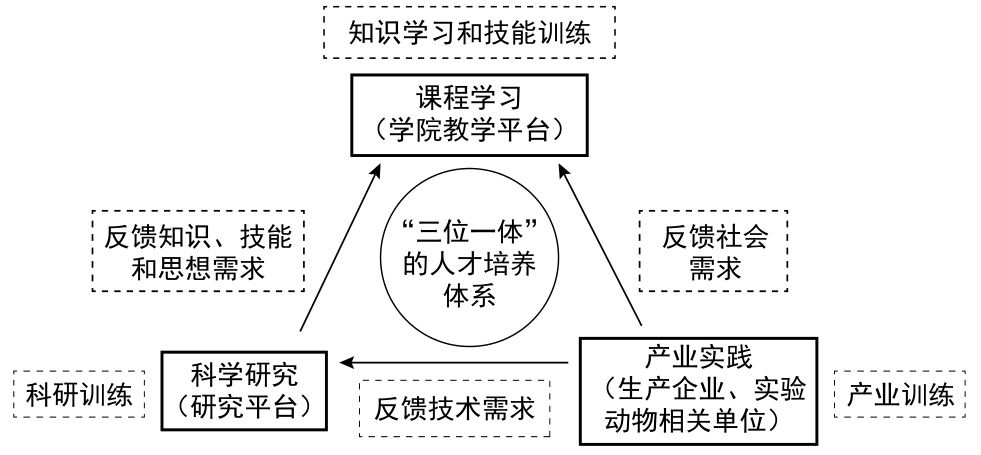
Laboratory animal science is an emerging interdisciplinary field supporting life science and medical research, and a key component of talent cultivation and technological innovation in medical colleges. Currently, this field faces challenges such as a significant imbalance between talent supply and demand and a weak systematic training system. To respond to national strategies and societal needs, Shandong First Medical University established the School of Laboratory Animal through industry-education integration during the 14th Five-Year Plan period. The school is based on The Medical Laboratory Technology major, cultivates application-oriented, interdisciplinary professionals in laboratory animal science, and has constructed a three-in-one training system integrating "course learning–scientific research–industry practice". Specific measures for talent cultivation include: optimizing the general education, professional courses, and intensive practical modules in the talent training program, and establishing the "Yellow River Class" integrating industry and education; implementing an undergraduate mentor system, and conducting scientific research training based on The Model Animal Research and Development Engineering Laboratory; collaborating with bases across the entire industrial chain of laboratory animal production, research, application, and quality control, appointing industry mentors, and strengthening practical teaching. Practice has shown that this system has been remarkably effective: a total of 320 undergraduate students have been enrolled since 2020; the employment rate of undergraduate graduates for two consecutive cohorts has reached 100%, and the postgraduate enrollment rate has exceeded 50%; undergraduate students have won numerous national and provincial awards in academic competitions, and have obtained multiple patents and published papers. In the future, the school will further integrate the advantages of medicine, agriculture, and science, optimize the depth and breadth of courses, strengthen the construction of faculty and teaching materials, and improve the undergraduate-master's integrated training mechanism. This article can provide a reference for the training of professionals in laboratory animal science and related biomedical fields in medical colleges.
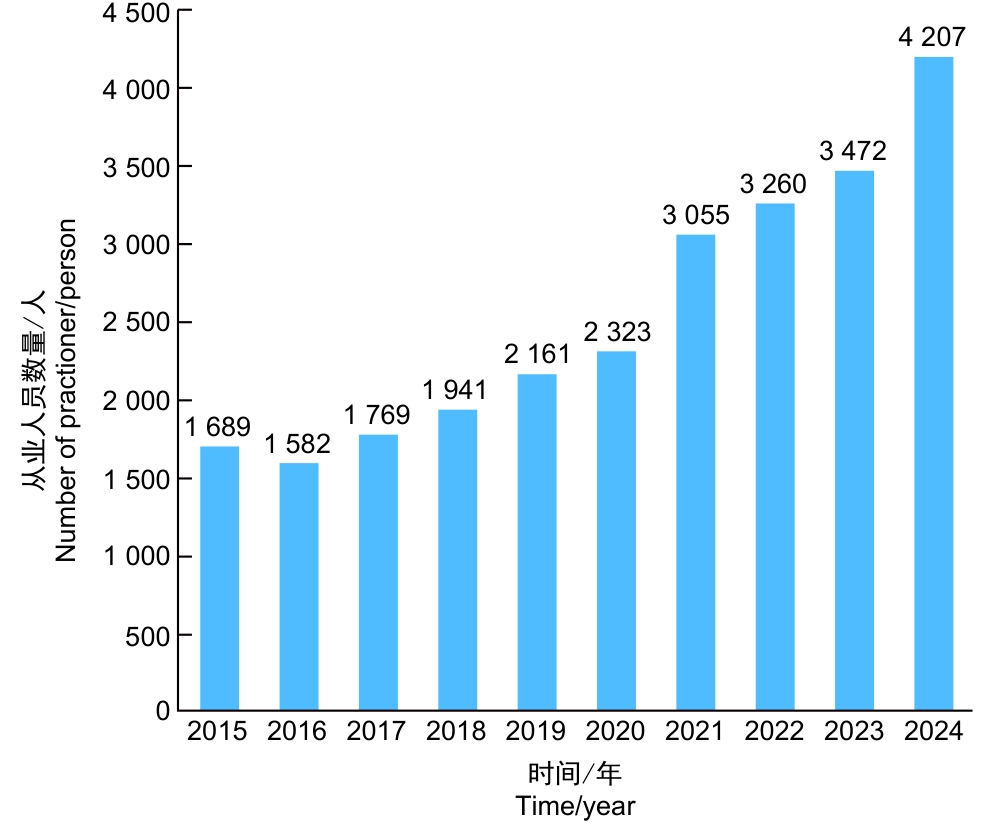
Laboratory animal practitioners refer to various personnel engaged in work related to laboratory animals or animal experiments. Their development not only affects the occupational health and safety of practitioners but also directly impacts the development level of laboratory animal science and the accuracy of animal experiment results. This article reviews the training requirements for laboratory animal practitioners stipulated by national standards, regulations, normative documents, and management policies in Sichuan Province. It analyzes the scale and training status of laboratory animal practitioners in Sichuan Province, compiles statistics on the changes in the scale of laboratory animal practitioners in Sichuan Province from 2015 to 2024, and examines the number of practitioners in four categories (scientific researchers, management personnel, animal keepers, and other personnel) and three different educational levels (postgraduate degree, bachelor's degree, and below bachelor's degree). It summarizes the possible reasons for the changes in personnel structure from 2015 to 2024, namely the continuous refinement of the division of labor in laboratory animal-related work and the continuous development of disciplines such as life sciences, medicine, and pharmacy. The article analyzes the current training status of laboratory animal practitioners in Sichuan Province from three aspects, including training organizations, the training system, and training methods for laboratory animal practitioners in Sichuan Province. It provides a detailed analysis of the series of training sessions on laboratory animal-related topics organized by the Office of the Laboratory Animal Management Committee of Sichuan Province and the Sichuan Laboratory Animal Society since 2019. It concludes that there are advantages such as an increasing proportion of highly educated personnel and a relatively well-established training system, and discusses issues such as inadequate top-level design and insufficient attention from some units. Finally, it proposes corresponding countermeasures and suggestions, including strengthening the assessment of practitioner training, formulating training plans for laboratory animal practitioners, and compiling specialized training materials. This article can provide a reference for the development and training of laboratory animal practitioners.