





Laboratory Animal and Comparative Medicine ›› 2026, Vol. 46 ›› Issue (5): 771-778.DOI: 10.12300/j.issn.1674-5817.2026.017
• Educational and Teaching Practice • Previous Articles Next Articles
WEN Fuli1,2( ), XU Yongjun1, FU Yunfeng1, XUE Laien1, CUI Linlin1, WANG Junzhu1, LU Jun1, ZHENG Heping1()(
 )
)
Received:2026-01-19
Revised:2026-04-07
Online:2026-10-25
Published:2026-10-16
Correspondence to:
ZHENG Heping
CLC Number:
WEN Fuli,XU Yongjun,FU Yunfeng,et al. Effectiveness Evaluation of Pre-Service Training for Laboratory Animal Practitioners Based on the "Three-Separation" Model[J]. Laboratory Animal and Comparative Medicine, 2026, 46(5): 771-778. DOI: 10.12300/j.issn.1674-5817.2026.017.
Add to citation manager EndNote|Ris|BibTeX
URL: https://www.slarc.org.cn/dwyx/EN/10.12300/j.issn.1674-5817.2026.017
Grouped data of pre-service training for laboratory animal practitioners in Fujian Province (2010–2025)
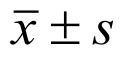
| 组别 Group | 时间/年 Time/year | 总人数 Total trainees | 平均年龄/岁 ( Average age/years ( | 不同性别人数 Number of individuals by gender | 不同学历层次人数 Number of individuals with different levels of education | 不同岗位类型人数 Number of employees for different job categories | |||||||||
|---|---|---|---|---|---|---|---|---|---|---|---|---|---|---|---|
| 男 Male | 女 Female | 研究生 Postgrad-uate | 本科 Undergrad-uate | 大(中)专 College/Voca-tional | 高中及以下 High school and below | 管理类 Manage-ment | 科研类 Re-search | 繁育类 Bree-ding | 兽医类 Veteri-nary | ||||||
| 对照组 Control group | 2010 | 167 | 32.4±9.1 | 86 | 81 | 97 | 40 | 13 | 17 | 32 | 105 | 19 | 11 | ||
| 2011 | 147 | 31.3±8.8 | 70 | 77 | 91 | 34 | 8 | 14 | 28 | 92 | 14 | 13 | |||
| 2012 | 148 | 31.8±8.4 | 72 | 76 | 84 | 35 | 12 | 17 | 22 | 94 | 18 | 14 | |||
| 2013 | 207 | 35.2±8.2 | 108 | 99 | 118 | 32 | 6 | 51 | 18 | 155 | 16 | 18 | |||
| 2014 | 130 | 34.7±8.0 | 68 | 62 | 79 | 36 | 5 | 10 | 15 | 98 | 11 | 6 | |||
| 2015 | 151 | 33.6±8.4 | 76 | 75 | 70 | 56 | 15 | 10 | 24 | 108 | 12 | 7 | |||
| 2016 | 171 | 32.3±7.5 | 92 | 79 | 94 | 52 | 13 | 12 | 40 | 112 | 11 | 8 | |||
| 2017 | 129 | 33.2±8.7 | 62 | 67 | 58 | 42 | 14 | 15 | 13 | 88 | 22 | 6 | |||
| 评估组 Evaluationgroup | 2018 | 365 | 34.0±8.9 | 178 | 187 | 188 | 132 | 14 | 31 | 66 | 256 | 32 | 11 | ||
| 2019 | 493 | 35.1±9.3 | 241 | 252 | 262 | 146 | 30 | 55 | 75 | 349 | 44 | 25 | |||
| 2020 | 631 | 33.8±6.5 | 308 | 323 | 335 | 187 | 38 | 71 | 94 | 446 | 58 | 33 | |||
| 2021 | 798 | 34.2±8.4 | 390 | 408 | 424 | 236 | 49 | 89 | 116 | 556 | 73 | 53 | |||
| 2022 | 920 | 32.7±7.9 | 450 | 470 | 489 | 272 | 56 | 103 | 134 | 641 | 84 | 61 | |||
| 2023 | 1 033 | 31.5±8.3 | 505 | 528 | 549 | 306 | 63 | 115 | 151 | 720 | 94 | 68 | |||
| 2024 | 1 210 | 31.0±8.6 | 592 | 618 | 643 | 358 | 74 | 135 | 177 | 843 | 110 | 80 | |||
| 2025 | 1 309 | 32.9±9.0 | 640 | 669 | 696 | 388 | 80 | 145 | 191 | 912 | 119 | 87 | |||
| P值 P value | >0.05 | >0.05 | >0.05 | >0.05 | >0.05 | >0.05 | >0.05 | >0.05 | >0.05 | >0.05 | >0.05 | >0.05 | |||
Table 1
Grouped data of pre-service training for laboratory animal practitioners in Fujian Province (2010–2025)
| 组别 Group | 时间/年 Time/year | 总人数 Total trainees | 平均年龄/岁 ( Average age/years ( | 不同性别人数 Number of individuals by gender | 不同学历层次人数 Number of individuals with different levels of education | 不同岗位类型人数 Number of employees for different job categories | |||||||||
|---|---|---|---|---|---|---|---|---|---|---|---|---|---|---|---|
| 男 Male | 女 Female | 研究生 Postgrad-uate | 本科 Undergrad-uate | 大(中)专 College/Voca-tional | 高中及以下 High school and below | 管理类 Manage-ment | 科研类 Re-search | 繁育类 Bree-ding | 兽医类 Veteri-nary | ||||||
| 对照组 Control group | 2010 | 167 | 32.4±9.1 | 86 | 81 | 97 | 40 | 13 | 17 | 32 | 105 | 19 | 11 | ||
| 2011 | 147 | 31.3±8.8 | 70 | 77 | 91 | 34 | 8 | 14 | 28 | 92 | 14 | 13 | |||
| 2012 | 148 | 31.8±8.4 | 72 | 76 | 84 | 35 | 12 | 17 | 22 | 94 | 18 | 14 | |||
| 2013 | 207 | 35.2±8.2 | 108 | 99 | 118 | 32 | 6 | 51 | 18 | 155 | 16 | 18 | |||
| 2014 | 130 | 34.7±8.0 | 68 | 62 | 79 | 36 | 5 | 10 | 15 | 98 | 11 | 6 | |||
| 2015 | 151 | 33.6±8.4 | 76 | 75 | 70 | 56 | 15 | 10 | 24 | 108 | 12 | 7 | |||
| 2016 | 171 | 32.3±7.5 | 92 | 79 | 94 | 52 | 13 | 12 | 40 | 112 | 11 | 8 | |||
| 2017 | 129 | 33.2±8.7 | 62 | 67 | 58 | 42 | 14 | 15 | 13 | 88 | 22 | 6 | |||
| 评估组 Evaluationgroup | 2018 | 365 | 34.0±8.9 | 178 | 187 | 188 | 132 | 14 | 31 | 66 | 256 | 32 | 11 | ||
| 2019 | 493 | 35.1±9.3 | 241 | 252 | 262 | 146 | 30 | 55 | 75 | 349 | 44 | 25 | |||
| 2020 | 631 | 33.8±6.5 | 308 | 323 | 335 | 187 | 38 | 71 | 94 | 446 | 58 | 33 | |||
| 2021 | 798 | 34.2±8.4 | 390 | 408 | 424 | 236 | 49 | 89 | 116 | 556 | 73 | 53 | |||
| 2022 | 920 | 32.7±7.9 | 450 | 470 | 489 | 272 | 56 | 103 | 134 | 641 | 84 | 61 | |||
| 2023 | 1 033 | 31.5±8.3 | 505 | 528 | 549 | 306 | 63 | 115 | 151 | 720 | 94 | 68 | |||
| 2024 | 1 210 | 31.0±8.6 | 592 | 618 | 643 | 358 | 74 | 135 | 177 | 843 | 110 | 80 | |||
| 2025 | 1 309 | 32.9±9.0 | 640 | 669 | 696 | 388 | 80 | 145 | 191 | 912 | 119 | 87 | |||
| P值 P value | >0.05 | >0.05 | >0.05 | >0.05 | >0.05 | >0.05 | >0.05 | >0.05 | >0.05 | >0.05 | >0.05 | >0.05 | |||
Core connotations and implementation rules of the "Three-Separation" model of pre-service training for laboratory animal practitioners
| “三分”模式的核心项目 Core components of "Three-Separation" model | 具体分类 Category | 核心内容 Core contents | 实施说明 Implementation instructions |
|---|---|---|---|
| 岗位需求分开 Separating job requirements | A类证书 | (1)适用人群为实验动物科研、兽医及技术操作类人员; (2)核心要求为熟练掌握实验动物基础理论,熟悉动物模型构建、动物福利、实验操作技能等 | (1)自主自学组(本科及以上学历)为网上报名→购置教程/光盘→自学→模拟练习→预约考试[理论(人机对话形式)+实操考核]→合格发证; (2)实操指导组(实操基础薄弱者)为网上报名→预约操作培训→示教→指导操作练习→预约(理论+实操)考试 |
| B类证书 | (1)适用人群为实验动物饲养、繁育类人员; (2)核心要求为掌握实验动物基本理论,聚焦饲养管理、环境调控、动物福利等基础技能 | ||
| 考试内容分设 Differentiating exam content | 基础理论 | (1)内容为实验动物生物学特性、相关法规、生物安全、模型构建、动物福利等; (2)题型为判断题+单选题+多选题; (3)时间为30 min | (1)理论考试采用闭卷(人机对话形式);A类证书和B类证书设不同题库,随机组卷,每人一卷;其中判断题40题,单选题20题,多选题20题; (2)实操考核由3名资深教师共同评分,取平均分作为实操成绩; (3)加权方式为基础理论与实操考试各按50%权重计入考核总分 |
| 技能操作 | (1)内容为岗位核心操作技能(A类证书为动物给药、采血等;B类证书为动物抓取、环境消毒、饲料配比等); (2)形式为开考前统一随机抽取1项技能进行考核; (3)时间为5 min | ||
| 考试方式分类 Categorizing exam methods | 结业考试 | (1)适用人群为首次参加或未达到免考要求的考生; (2)要求必须完成全程培训及考核; (3)及格标准为总分≥60分,不及格者可补考1次; (4)向总分前9名的人员颁发荣誉证书,并给予一定的物质奖励 | 以岗位实际需求为导向,促进从业人员知识更新与素质提升 |
| 期满考核 | (1)适用人群为培训证书期满5年者; (2)流程为提交材料→秘书处审核→符合条件者公示→免考换证; (3)免考条件为需满足2项必备条件+3项选择条件# | 简化重复培训的流程,鼓励从业人员持续参与培训以提升学术水平 |
Table 2
Core connotations and implementation rules of the "Three-Separation" model of pre-service training for laboratory animal practitioners
| “三分”模式的核心项目 Core components of "Three-Separation" model | 具体分类 Category | 核心内容 Core contents | 实施说明 Implementation instructions |
|---|---|---|---|
| 岗位需求分开 Separating job requirements | A类证书 | (1)适用人群为实验动物科研、兽医及技术操作类人员; (2)核心要求为熟练掌握实验动物基础理论,熟悉动物模型构建、动物福利、实验操作技能等 | (1)自主自学组(本科及以上学历)为网上报名→购置教程/光盘→自学→模拟练习→预约考试[理论(人机对话形式)+实操考核]→合格发证; (2)实操指导组(实操基础薄弱者)为网上报名→预约操作培训→示教→指导操作练习→预约(理论+实操)考试 |
| B类证书 | (1)适用人群为实验动物饲养、繁育类人员; (2)核心要求为掌握实验动物基本理论,聚焦饲养管理、环境调控、动物福利等基础技能 | ||
| 考试内容分设 Differentiating exam content | 基础理论 | (1)内容为实验动物生物学特性、相关法规、生物安全、模型构建、动物福利等; (2)题型为判断题+单选题+多选题; (3)时间为30 min | (1)理论考试采用闭卷(人机对话形式);A类证书和B类证书设不同题库,随机组卷,每人一卷;其中判断题40题,单选题20题,多选题20题; (2)实操考核由3名资深教师共同评分,取平均分作为实操成绩; (3)加权方式为基础理论与实操考试各按50%权重计入考核总分 |
| 技能操作 | (1)内容为岗位核心操作技能(A类证书为动物给药、采血等;B类证书为动物抓取、环境消毒、饲料配比等); (2)形式为开考前统一随机抽取1项技能进行考核; (3)时间为5 min | ||
| 考试方式分类 Categorizing exam methods | 结业考试 | (1)适用人群为首次参加或未达到免考要求的考生; (2)要求必须完成全程培训及考核; (3)及格标准为总分≥60分,不及格者可补考1次; (4)向总分前9名的人员颁发荣誉证书,并给予一定的物质奖励 | 以岗位实际需求为导向,促进从业人员知识更新与素质提升 |
| 期满考核 | (1)适用人群为培训证书期满5年者; (2)流程为提交材料→秘书处审核→符合条件者公示→免考换证; (3)免考条件为需满足2项必备条件+3项选择条件# | 简化重复培训的流程,鼓励从业人员持续参与培训以提升学术水平 |
Comparison of comprehensive assessment scores and pass rates between the control group and the evaluation group
| 组别 Group | 总人数/人 Total trainees n | 理论成绩/分 Theoretical score/points | 实操成绩/分 Practical score/points | 合格数/人 Qualified trainees n | 综合合格率/% Comprehensive pass rate/% |
|---|---|---|---|---|---|
| P值 P value | <0.01 | ||||
| 对照组 Control group | 1 250 | 76.67±15.21 | — | 1 078 | 86.24% |
| 评估组 Evaluation group | 6 759 | 40.43±6.36 | 38.51±7.24 | 6 457 | 95.53% |
Table 3
Comparison of comprehensive assessment scores and pass rates between the control group and the evaluation group
| 组别 Group | 总人数/人 Total trainees n | 理论成绩/分 Theoretical score/points | 实操成绩/分 Practical score/points | 合格数/人 Qualified trainees n | 综合合格率/% Comprehensive pass rate/% |
|---|---|---|---|---|---|
| P值 P value | <0.01 | ||||
| 对照组 Control group | 1 250 | 76.67±15.21 | — | 1 078 | 86.24% |
| 评估组 Evaluation group | 6 759 | 40.43±6.36 | 38.51±7.24 | 6 457 | 95.53% |
Comparison of questionnaire results on training effects between the "Three-Separation" model and the traditional model
| 调查维度 Survey dimension | 不同组别好评率(一般率/差评率)/% Different groups’ positive review rate (neutral rate/negative review rate)/% | χ²值 χ² value | P值 P value | |
|---|---|---|---|---|
| 评估组(n=1 039) Evaluation group (n=1 039) | 对照组(n=585) Control group (n=585) | |||
| 课程内容与岗位需求匹配度 Relevance of course content to job requirements | 86.82 (11.93/1.25) | 61.03 (32.65/6.32) | 142.86 | <0.001 |
| 培训时间安排灵活性 Flexibility of training schedule | 90.57 (8.28/1.15) | 48.21 (42.56/9.23) | 361.14 | <0.001 |
| 教学方式实用性(理论+实操) Practicality of teaching methods (theory + practice) | 88.64 (9.72/1.64) | 55.56 (36.07/8.37) | 229.35 | <0.001 |
| 考核方式合理性(分类考核) Rationality of assessment methods (categorized assessment) | 91.31 (7.53/1.16) | 51.80 (39.83/8.37) | 359.27 | <0.001 |
| 收费合理性 Reasonableness of fees | 93.17 (6.45/0.38) | 35.21 (58.46/6.33) | 627.68 | <0.001 |
| 实操技能提升效果 Effectiveness in improving practical skills | 84.89 (13.28/1.83) | 59.32 (32.14/8.54) | 132.96 | <0.001 |
| 理论知识掌握程度 Level of theoretical knowledge acquisition | 81.14 (16.94/1.92) | 66.67 (26.32/7.01) | 42.86 | <0.001 |
| 岗位工作适配性 Job suitability | 86.81 (11.55/1.64) | 62.91 (30.26/6.83) | 125.50 | <0.001 |
| 培训满意度 Training satisfaction | 92.49 (6.84/0.67) | 77.78 (18.97/3.25) | 72.50 | <0.001 |
Table 4
Comparison of questionnaire results on training effects between the "Three-Separation" model and the traditional model
| 调查维度 Survey dimension | 不同组别好评率(一般率/差评率)/% Different groups’ positive review rate (neutral rate/negative review rate)/% | χ²值 χ² value | P值 P value | |
|---|---|---|---|---|
| 评估组(n=1 039) Evaluation group (n=1 039) | 对照组(n=585) Control group (n=585) | |||
| 课程内容与岗位需求匹配度 Relevance of course content to job requirements | 86.82 (11.93/1.25) | 61.03 (32.65/6.32) | 142.86 | <0.001 |
| 培训时间安排灵活性 Flexibility of training schedule | 90.57 (8.28/1.15) | 48.21 (42.56/9.23) | 361.14 | <0.001 |
| 教学方式实用性(理论+实操) Practicality of teaching methods (theory + practice) | 88.64 (9.72/1.64) | 55.56 (36.07/8.37) | 229.35 | <0.001 |
| 考核方式合理性(分类考核) Rationality of assessment methods (categorized assessment) | 91.31 (7.53/1.16) | 51.80 (39.83/8.37) | 359.27 | <0.001 |
| 收费合理性 Reasonableness of fees | 93.17 (6.45/0.38) | 35.21 (58.46/6.33) | 627.68 | <0.001 |
| 实操技能提升效果 Effectiveness in improving practical skills | 84.89 (13.28/1.83) | 59.32 (32.14/8.54) | 132.96 | <0.001 |
| 理论知识掌握程度 Level of theoretical knowledge acquisition | 81.14 (16.94/1.92) | 66.67 (26.32/7.01) | 42.86 | <0.001 |
| 岗位工作适配性 Job suitability | 86.81 (11.55/1.64) | 62.91 (30.26/6.83) | 125.50 | <0.001 |
| 培训满意度 Training satisfaction | 92.49 (6.84/0.67) | 77.78 (18.97/3.25) | 72.50 | <0.001 |
| [1] |
秦川, 孔琪, 钱军, 等. 实验动物科学技术是生命科学和健康中国建设的基础支撑条件[J]. 科技导报, 2017, 35(11): 10-14.
|
|
QIN C, KONG Q, QIAN J, et al. Laboratory animal science and technology is strategically important to life science and health China Construction[J]. Sci Technol Rev, 2017, 35(11): 10-14.
|
|
| [2] |
陈芹, 李建民, 高芸, 等. 基于教学培训相结合的医学动物实验规范化实践研究[J]. 中国比较医学杂志, 2024, 34(8): 94-98. DOI: 10.3969/j.issn.1671-7856.2024.08.011.
|
|
CHEN Q, LI J M, GAO Y, et al. Reflections on and practical applications of combining teaching and training to promote the standardization of animal experiments for medical postgraduates[J]. Chin J Comp Med, 2024, 34(8): 94-98. DOI: 10.3969/j.issn.1671-7856.2024.08.011.
|
|
| [3] |
国务院. 实验动物管理条例[EB/OL]. [2026-01-08]. https://www.gov.cn/gongbao/content/2017/content_5219148.htm.
|
|
The State Council. Regulation on the Administration of Laboratory Animals[EB/OL]. [2026-01-08]. https://www.gov.cn/gongbao/content/2017/content_5219148.htm.
|
|
| [4] |
福建省科学技术厅. 关于印发«福建省实验动物许可证管理办法»的通知: 闽科财〔2006〕51号[EB/OL]. (2006-12-14)[2026-01-08].https://kjt.fujian.gov.cn/xxgk/tzgg/200701/t20070112_600988.htm.
|
|
Department of Science and Technology of Fujian Province. Notice on Issuing the Measures for the Administration of Laboratory Animal License of Fujian Province: Min Ke Cai [2006] No. 51[EB/OL]. (2006-12-14)[2026-01-08]. https://kjt.fujian.gov.cn/xxgk/tzgg/200701/t20070112_600988.htm.
|
|
| [5] |
师长宏, 张海, 张彩勤, 等. 基于从业人员培训的实验动物教学改革[J]. 中国比较医学杂志, 2016, 26(4): 83-85. DOI: 10.3969/j.issn.1671-7856.2016.04.016.
|
|
SHI C H, ZHANG H, ZHANG C Q, et al. Teaching reform of laboratory animal science based on the training of practitioners[J]. Chin J Comp Med, 2016, 26(4): 83-85. DOI: 10.3969/j.issn.1671-7856.2016.04.016.
|
|
| [6] |
郑和平, 叶碧海, 何俊智, 等. 福建省实验动物从业人员培训基地建设的实践与设想[J]. 实验动物科学, 2016, 33(4): 70-73. DOI: 10.3969/j.issn.1006-6179.2016.04.014.
|
|
ZHENG H P, YE B H, HE J Z, et al. Construction and practice of training base for laboratory animal practitioners in Fujian Province[J]. Lab Anim Sci, 2016, 33(4): 70-73. DOI: 10.3969/j.issn.1006-6179.2016.04.014.
|
|
| [7] |
余琛琳, 崔淑芳. 实验动物从业人员远程培训考核指标体系初探[J]. 实验动物与比较医学, 2017, 37(1): 71-75. DOI: 10.3969/j.issn.1674-5817.2017.01.016.
|
|
YU C L, CUI S F. Preliminary study on the evaluation index system of remote training for laboratory animal practitioners[J]. Lab Anim Comp Med, 2017, 37(1): 71-75. DOI: 10.3969/j.issn.1674-5817.2017.01.016.
|
|
| [8] |
刘艳, 王珑, 赵赤鸿. 中国疾病预防控制中心实验动物从业人员岗位培训机制的研究[J]. 实验动物科学, 2016, 33(1): 54-58. DOI: 10.3969/j.issn.1006-6179.2016.01.013.
|
|
LIU Y, WANG L, ZHAO C H. Study on mechanism in training of laboratory animal staff of Chinese Center for Disease Control and Prevention[J]. Lab Anim Sci, 2016, 33(1): 54-58. DOI: 10.3969/j.issn.1006-6179.2016.01.013.
|
|
| [9] |
林凯丽, 刘梅轩, 孙井江, 等. 实验动物从业人员培训系统的建立与应用[J]. 中国比较医学杂志, 2018, 28(5): 119-122. DOI: 10.3969/j.issn.1671-7856.2018.05.022.
|
|
LIN K L, LIU M X, SUN J J, et al. Establishment and application of the training system for laboratory animal employees[J]. Chin J Comp Med, 2018, 28(5): 119-122. DOI: 10.3969/j.issn.1671-7856.2018.05.022.
|
|
| [10] |
American Association for Laboratory Animal Science. Technician Certification [EB/OL]. [2026-01-08].https://www.aalas.org/main/certification.
|
| [11] |
European Parliament, Council of the European Union. Directive 2010/63/EU of the European Parliament and of the Council of 22 September 2010 on the Protection of Animals Used for Scientific Purposes[EB/OL]. (2010-10-20)[2026-03-01].https://eur-lex.europa.eu/legal-content/EN/TXT/PDF/?uri=CELEX:32010L0063.
|
| [12] |
邸冉, 刘佩琳, 杨海龙, 等. 实验动物从业人员培养体系调查分析[J]. 中国比较医学杂志, 2022, 32(4): 116-119. DOI: 10.3969/j.issn.1671-7856.2022.04.016.
|
|
DI R, LIU P L, YANG H L, et al. Investigation and analysis on the training system of laboratory animal employees[J]. Chin J Comp Med, 2022, 32(4): 116-119. DOI: 10.3969/j.issn.1671-7856.2022.04.016.
|
|
| [13] |
李晓琴, 余文兰, 段依竺, 等. 中国实验动物科技伦理治理体系构建与广东省实践初探[J]. 实验动物与比较医学, 2026, 46(1): 127-137. DOI: 10.12300/j.issn.1674-5817.2025.072.
|
|
LI X Q, YU W L, DUAN Y Z, et al. Construction of laboratory animal science and technology ethics governance system in China and its preliminary practice in Guangdong Province[J]. Lab Anim Comp Med, 2026, 46(1): 127-137. DOI: 10.12300/j.issn.1674-5817.2025.072.
|
|
| [14] |
邵奇鸣, 卞勇, 施爱民. 实验动物机构职业健康安全管理体系建设要点[J]. 实验动物与比较医学, 2025, 45(2): 188-196. DOI: 10.12300/j.issn.1674-5817.2024.123.
|
|
SHAO Q M, BIAN Y, SHI A M. Key points for establishing occupational health and safety management system in laboratory animal institutions[J]. Lab Anim Comp Med, 2025, 45(2): 188-196. DOI: 10.12300/j.issn.1674-5817.2024.123.
|
|
| [15] |
崔昕昕, 朱文博, 杨小超, 等. 动物实验生物安全管理中的风险评估与预警机制构建[J]. 中国动物保健, 2025, 27(7): 232-234. DOI: 10.3969/j.issn.1008-4754.2025.07.101.
|
|
CUI X X, ZHU W B, YANG X C, et al. Risk assessment and early warning mechanism construction in biosafety management of animal experiments[J]. China Anim Health, 2025, 27(7): 232-234. DOI: 10.3969/j.issn.1008-4754.2025.07.101.
|
|
| [16] |
郭民, 秦志民, 王海龙, 等. 实验动物学虚拟仿真动物实验教学系统的内涵设计及其优势[J]. 中国教育技术装备, 2024(17): 115-118. DOI: 10.3969/j.issn.1671-489X.2024.17.115.
|
|
GUO M, QIN Z M, WANG H L, et al. Connotation design and advantages of virtual simulation animal experiment teaching system in laboratory animal science[J]. China Educ Technol Equip, 2024(17): 115-118. DOI: 10.3969/j.issn.1671-489X.2024.17.115.
|
|
| [17] |
袁晓龙, 邵嘉豪, 王添添, 等. 人工智能在实验动物科学教学中的实践[J]. 中国比较医学杂志, 2025, 35(12): 103-109. DOI: 10.3969/j.issn.1671-7856.2025.12.010.
|
|
YUAN X L, SHAO J H, WANG T T, et al. Teaching practice of artificial intelligence in laboratory animal science[J]. Chin J Comp Med, 2025, 35(12): 103-109. DOI: 10.3969/j.issn.1671-7856.2025.12.010.
|
|
| [18] |
陈兵, 谢晓婕, 陶体富, 等. 四川省实验动物从业人员培训教育现状及对策研究[J]. 实验动物与比较医学, 2026, 46(3): 456-463. DOI: 10.12300/j.issn.1674-5817.2025.080.
|
|
CHEN B, XIE X J, TAO T F, et al. Research on the Current Situation and Countermeasures of Training for Experimental Animal Practitioners in Sichuan Province[J]. Lab Anim Comp Med, 2026, 46(3): 456-463. DOI: 10.12300/j.issn.1674-5817.2025.080.
|
|
| [19] |
喻松仁, 张洁, 罗小泉. 实验动物与动物实验实训教程[M]. 南昌: 江西科学技术出版社, 2024.
|
|
YU S R, ZHANG J, LUO X Q. Laboratory animals and animal experiment training manual[M]. Nanchang: Jiangxi Science & Technology Publishing House, 2024.
|
|
| [20] |
ZANATTO D A, MARSON G A, MORI C M C. Good practices in animal research: a web-based platform for training in laboratory rodent experimental procedures[J]. J Vet Med Educ, 2025, 52(1): 17-25. DOI: 10.3138/jvme-2023-0133.
|
| [1] | LI Zifa, LIU Shan, SUN Wei, ZHAO Feng, WEI Sheng, LI Qin, XU Kaiyong. Reflections on Building a Science-Education Integration System for Laboratory Animal Science: A Case Study of Shandong University of Traditional Chinese Medicine [J]. Laboratory Animal and Comparative Medicine, 2026, 46(4): 604-610. |
| [2] | WANG Xiuran, LI Hao, CHEN Zhengtao, YU Yang, ZHANG Suying, TAO Ru, WANG Kezhou. Innovation and Practice in the Construction of "Three-in-one" Talent Training Systems for Laboratory Animal Professionals in Medical Colleges [J]. Laboratory Animal and Comparative Medicine, 2026, 46(3): 446-455. |
| [3] | CHEN Bing, XIE Xiaojie, TAO Tifu, WANG Jingdong, ZOU Yixing. Research on the Current Situation and Countermeasures for Training and Education of Laboratory Animal Practitioners in Sichuan Province [J]. Laboratory Animal and Comparative Medicine, 2026, 46(3): 456-463. |
| [4] | LI Xiaoqin, YU Wenlan, DUAN Yizhu, LIU Zhonghua, WU Guodong, SHI Wenqi, FU Hongkun. Construction of Laboratory Animal Science and Technology Ethics Governance System in China and Its Preliminary Practice in Guangdong Province [J]. Laboratory Animal and Comparative Medicine, 2026, 46(1): 127-137. |
| [5] | ZHANG Qian, DENG Qingxiu, CAI Lin. Review on Occupational Health Risk Prevention and Control for Laboratory Animal Practitioners in Chinese General Universities [J]. Laboratory Animal and Comparative Medicine, 2025, 45(2): 206-213. |
| [6] | ZHAO Ya, ZHANG Caiqin, MENG Han, QIN Jing, BAI Bing, ZHAO Yong, GE Xu, SHI Changhong. Exploration of Laboratory Animal Science Teaching Practice from Perspectives of Curriculum Ideology and Politics [J]. Laboratory Animal and Comparative Medicine, 2023, 43(6): 641-646. |
| [7] | XIAO Kunlin, ZHANG Rui, Sun Hong, XIAO Kuntai, MA Jianbing. Evaluation of Monoiodoacetic Acid-induced Knee Osteoarthritis SD Rats with Diseasse Progression at Different Time Points [J]. Laboratory Animal and Comparative Medicine, 2020, 40(1): 47-52. |
| [8] | YU Chen-lin, SUN Xiao-xi, Cai Li-ping, TANG Qiu, LI Li. Development of Evaluation and Assessment System for Laboratory Animal Employees Training [J]. Laboratory Animal and Comparative Medicine, 2015, 35(6): 498-503. |
| [9] | QIAO Wei-wei, ZHAO Xian-zhe. Application of Problem-based Learning with Case-based Teaching for Junior College Students in Laboratory Animal Science Experiment [J]. Laboratory Animal and Comparative Medicine, 2015, 35(3): 245-248. |
| [10] | WEI Sheng, LI Zi-fa, SONG Chun-hong, XU Kai-yong. Application of Concept Map in Laboratory Animal Science Teaching [J]. Laboratory Animal and Comparative Medicine, 2015, 35(2): 129-132. |
| [11] | HU Ying, YANG Fei, YU Yi-jun, GAO Cheng. Development of Self-learning System for Laboratory Animal Science [J]. Laboratory Animal and Comparative Medicine, 2012, 32(3): 228-233. |
| Viewed | ||||||
|
Full text |
|
|||||
|
Abstract |
|
|||||

 )
) )
)