




Laboratory Animal and Comparative Medicine ›› 2026, Vol. 46 ›› Issue (1): 11-19.DOI: 10.12300/j.issn.1674-5817.2025.076
• Animal Models of Human Diseases • Previous Articles Next Articles
HE Jiaqi( ), ZHOU Yuanyuan, NIE Yongqiang, WANG Zhaoxia, XU Wangjie()(
 )
)
Received:2025-05-20
Revised:2025-08-20
Online:2026-02-25
Published:2026-02-14
Correspondence to:
XU Wangjie
CLC Number:
HE Jiaqi,ZHOU Yuanyuan,NIE Yongqiang,et al. Establishment and Multidimensional Pathological Evaluations of a Cigarette Smoke Exposure-Induced Chronic Obstructive Pulmonary Disease Mouse Model[J]. Laboratory Animal and Comparative Medicine, 2026, 46(1): 11-19. DOI: 10.12300/j.issn.1674-5817.2025.076.
Add to citation manager EndNote|Ris|BibTeX
URL: https://www.slarc.org.cn/dwyx/EN/10.12300/j.issn.1674-5817.2025.076
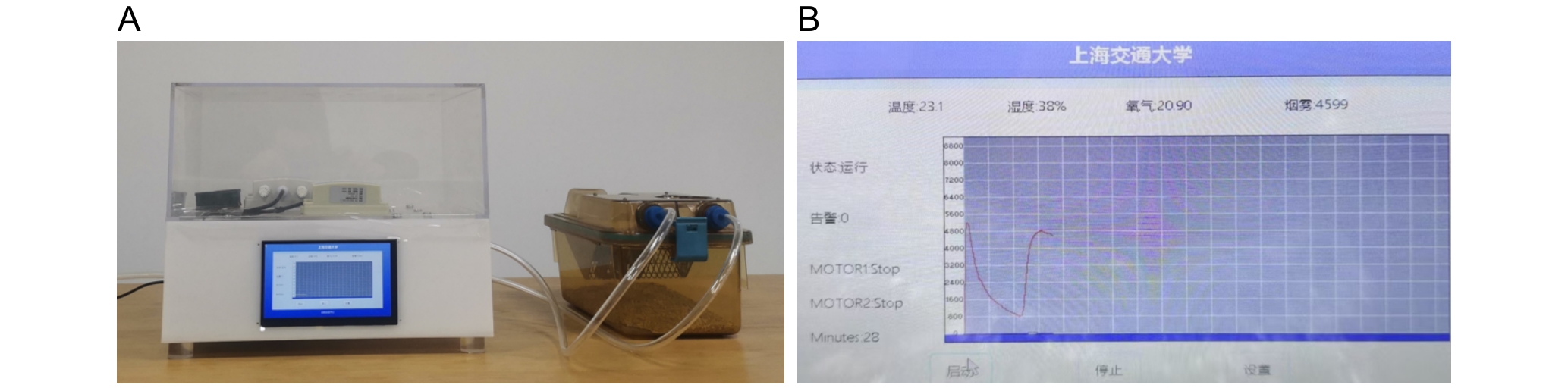
Figure 1 Automatic control system for long-term continuous smoke exposure in small animals with multiple channels
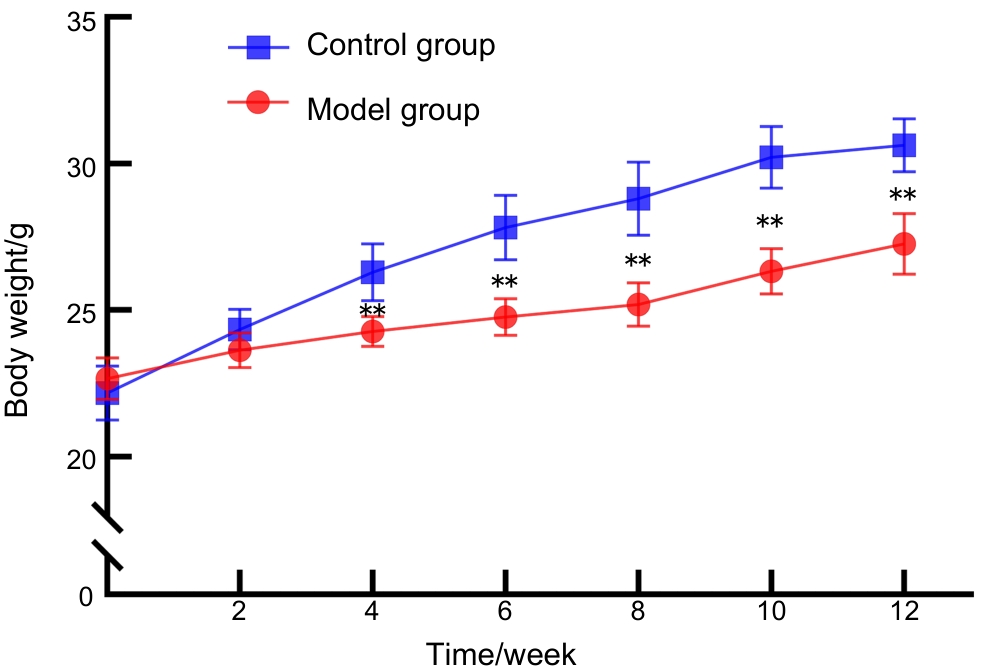
Figure 2 Weight gain curves of mice in the control and model groups
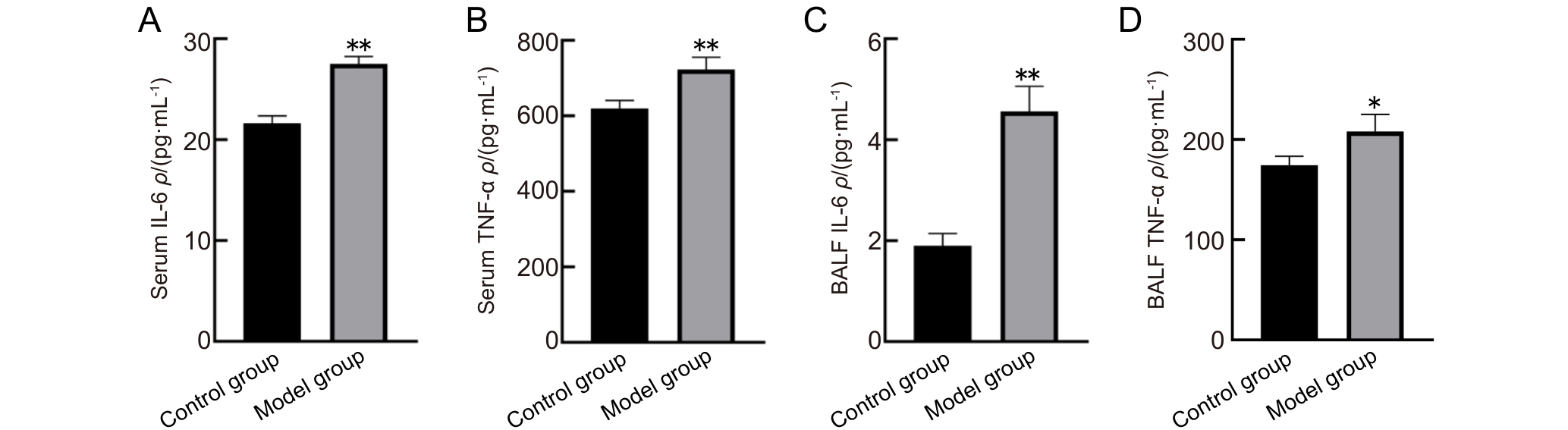
Figure 3 Comparison of IL-6 and TNF-α levels in serum and bronchoalveolar lavage fluid between the control and model groups
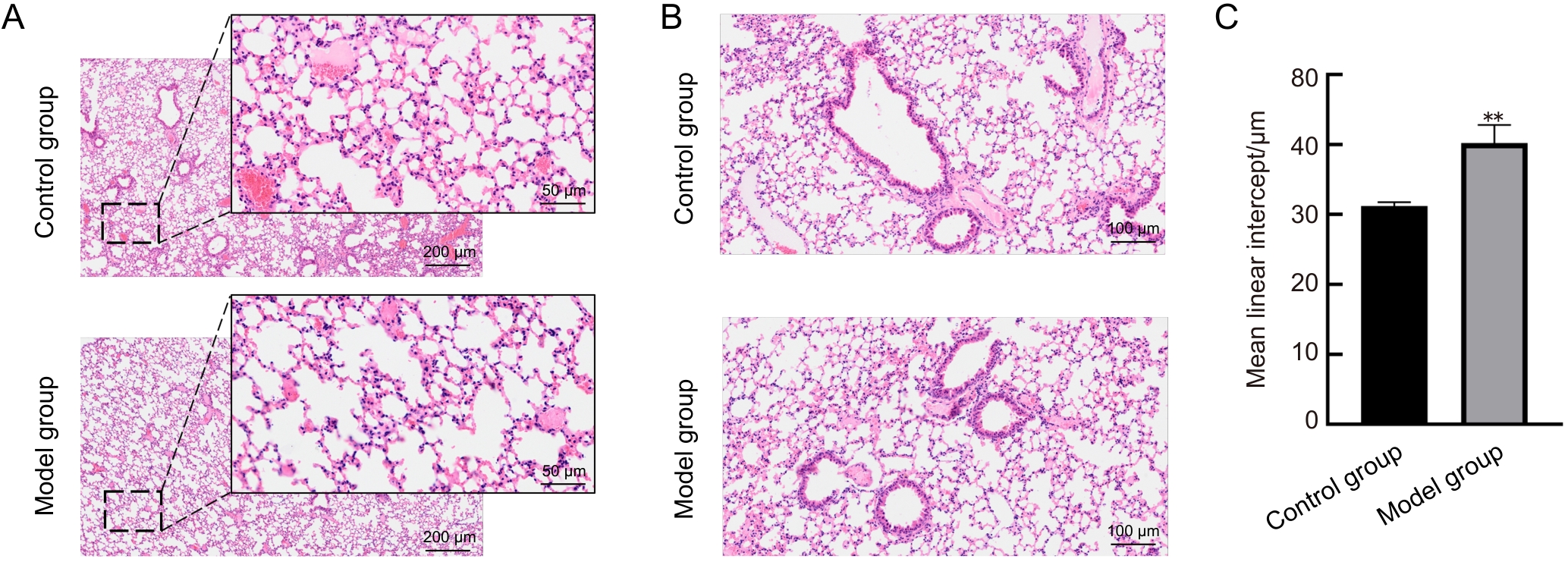
Figure 4 Morphological changes in lung tissue of mice in the control group and model group
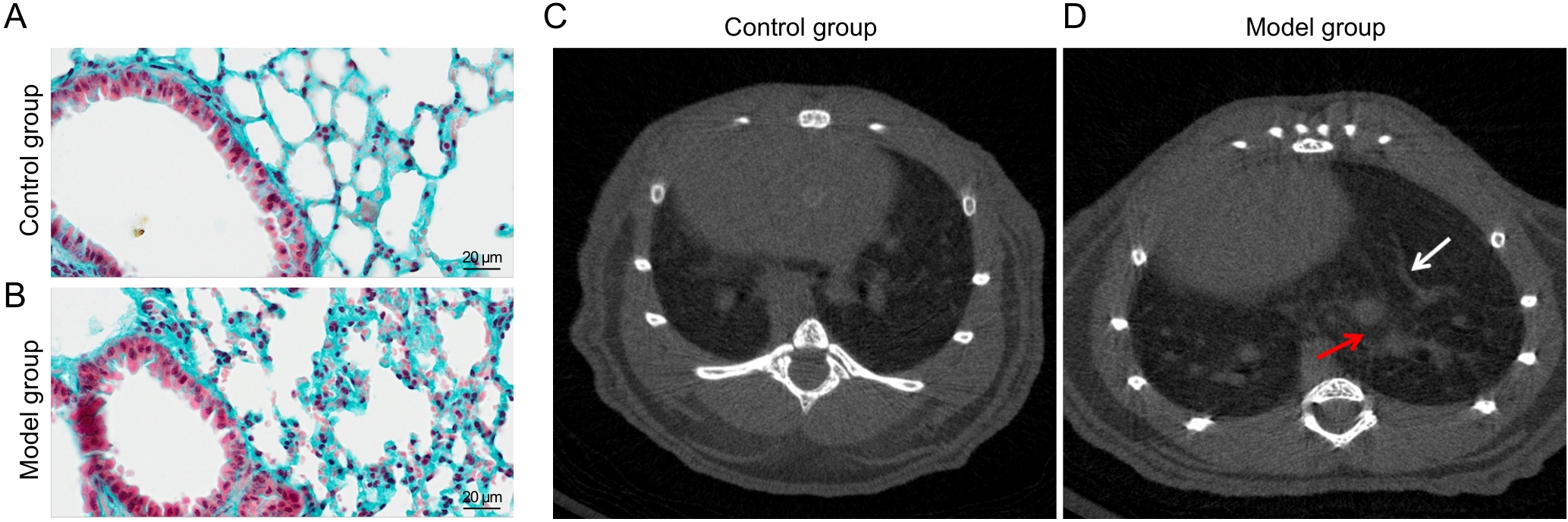
Figure 5 Comparative analysis of pulmonary collagen deposition (×400) and Micro-CT imaging of mice in the control and model groups
| [1] | VOGELMEIER C F, ROMÁN-RODRÍGUEZ M, SINGH D, et al. Goals of COPD treatment: Focus on symptoms and exacerbations[J]. Respir Med, 2020, 166:105938. DOI:10.1016/j.rmed.2020.105938 . |
| [2] | PATEL N. An update on COPD prevention, diagnosis, and management: The 2024 GOLD Report[J]. Nurse Pract, 2024, 49(6):29-36. DOI:10.1097/01.NPR.0000000000000180 . |
| [3] | CHRISTENSON S A, SMITH B M, BAFADHEL M, et al. Chronic obstructive pulmonary disease[J]. Lancet, 2022, 399(10342):2227-2242. DOI:10.1016/S0140-6736(22)00470-6 . |
| [4] | 李丽球, 谢丽华, 孙圣华. 慢性阻塞性肺疾病动物模型的研究进展[J]. 中南大学学报(医学版), 2017, 42(9):1105-1110. DOI: 10.11817/j.issn.1672-7347.2017.09.018 . |
| LI L Q, XIE L H, SUN S H. Progress in study on animal models of chronic obstructive pulmonary disease[J]. J Cent South Univ Med Sci, 2017, 42(9):1105-1110. DOI: 10.11817/j.issn.1672-7347.2017.09.018 . | |
| [5] | FU Y S, KANG N, YU Y P, et al. Polyphenols, flavonoids and inflammasomes: the role of cigarette smoke in COPD[J]. Eur Respir Rev, 2022, 31(164):220028. DOI:10.1183/16000617.0028-2022 . |
| [6] | VOYNOW J A, SHINBASHI M. Neutrophil elastase and chronic lung disease[J]. Biomolecules, 2021, 11(8):1065. DOI:10.3390/biom11081065 . |
| [7] | VAN DIJK E M, CULHA S, MENZEN M H, et al. Elastase-induced parenchymal disruption and airway hyper responsiveness in mouse precision cut lung slices: toward an ex vivo COPD model[J]. Front Physiol, 2017, 7:657. DOI:10.3389/fphys.2016.00657 . |
| [8] | BOREL F, SUN H M, ZIEGER M, et al. Editing out five Serpina1 paralogs to create a mouse model of genetic emphysema[J]. Proc Natl Acad Sci USA, 2018, 115(11):2788-2793. DOI:10.1073/pnas.1713689115 . |
| [9] | ROBERTONI F S Z, VELOSA A P P, OLIVEIRA L M, et al. Type V collagen-induced nasal tolerance prevents lung damage in an experimental model: new evidence of autoimmunity to collagen V in COPD[J]. Front Immunol, 2024, 15:1444622. DOI:10.3389/fimmu.2024.1444622 . |
| [10] | UPADHYAY P, WU C W, PHAM A, et al. Animal models and mechanisms of tobacco smoke-induced chronic obstructive pulmonary disease (COPD)[J]. J Toxicol Environ Health B Crit Rev, 2023, 26(5):275-305. DOI:10.1080/10937404.2023.2208886 . |
| [11] | PELLEGRINO R, VIEGI G, BRUSASCO V, et al. Interpretative strategies for lung function tests[J]. Eur Respir J, 2005, 26(5):948-968. DOI:10.1183/09031936.05.00035205 . |
| [12] | 张迪, 管宇, 夏艺, 等. 慢性阻塞性肺疾病动物模型研究进展[J]. 第二军医大学学报, 2018, 39(3):302-307. DOI:10.16781/j.0258-879x.2018.03.0302 . |
| ZHANG D, GUAN Y, XIA Y, et al. Advances in animal models of chronic obstructive pulmonary disease[J]. Acad J Second Mil Med Univ, 2018, 39(3):302-307. DOI:10.16781/j.0258-879x.2018.03.0302 . | |
| [13] | 马宏境, 刘彬. 慢性阻塞性肺疾病发病机制的研究[J]. 医学信息, 2019, 32(10):50-52. DOI: 10.3969/j.issn.1006-1959.2019.10.018 . |
| MA H J, LIU B. Study on the pathogenesis of chronic obstructive pulmonary disease[J]. Med Inf, 2019, 32(10):50-52. DOI: 10.3969/j.issn.1006-1959.2019.10.018 . | |
| [14] | 罗玉馨, 胡晓佳, 曹竟尹, 等. 慢性阻塞性肺疾病动物模型的研究与开发[J]. 黑龙江科学, 2022, 13(18): 14-16. DOI:10.3969/j.issn.1674-8646.2022.18.004 . |
| LUO Y X, HU X J, CAO J Y, et al. Research and development of animal model of chronic obstructive pulmonary disease[J]. Heilongjiang Sci, 2022, 13(18): 14-16. DOI:10.3969/j.issn.1674-8646.2022.18.004 . | |
| [15] | LÜTHJE L, RAUPACH T, MICHELS H, et al. Exercise intolerance and systemic manifestations of pulmonary emphysema in a mouse model[J]. Respir Res, 2009, 10(1):7. DOI:10.1186/1465-9921-10-7 . |
| [16] | STEVENSON C S, BIRRELL M A. Moving towards a new generation of animal models for asthma and COPD with improved clinical relevance[J]. Pharmacol Ther, 2011, 130(2):93-105. DOI:10.1016/j.pharmthera.2010.10.008 . |
| [17] | WRIGHT J L, COSIO M, CHURG A. Animal models of chronic obstructive pulmonary disease[J]. Am J Physiol Lung Cell Mol Physiol, 2008, 295(1): L1-L15. DOI:10.1152/ajplung.90200.2008 . |
| [18] | TOLEDO A C, MAGALHAES R M, HIZUME D C, et al. Aerobic exercise attenuates pulmonary injury induced by exposure to cigarette smoke[J]. Eur Respir J, 2012, 39(2):254-264. DOI:10.1183/09031936.00003411 . |
| [19] | GASCHLER G J, BAUER C M T, ZAVITZ C C J, et al. Animal models of chronic obstructive pulmonary disease exacerbations[J]. Contrib Microbiol, 2007, 14:126-141. DOI:10.1159/000107059 . |
| [20] | GONG G, SHEN S P, SHEN S R, et al. YAP/TAZ-mediated nuclear membrane rupture in promoting senescence of skeletal muscle associated with COPD[J]. Respir Res, 2025, 26(1):98. DOI:10.1186/s12931-025-03170-4 . |
| [21] | KOGEL U, WONG E T, SZOSTAK J, et al. Impact of whole-body versus nose-only inhalation exposure systems on systemic, respiratory, and cardiovascular endpoints in a 2-month cigarette smoke exposure study in the ApoE mouse model[J]. J Appl Toxicol. 2021 Oct;41(10):1598-1619. DOI: 10.1002/jat.4149 . |
| [22] | 梁小波, 吴德洪, 王星, 等. 鼻内滴注烟草提取物和脂多糖建立慢性阻塞性肺疾病小鼠模型的评价[J]. 吉林大学学报(医学版), 2019, 45(6):1454-1458, 1486. DOI:10.13481/j.1671-587x.20190645 . |
| LIANG X B, WU D H, WANG X, et al. Evaluation on mouse models of chronic obstructive pulmonary disease induced by intranasal instillation of cigarette smoke extract and lipopolysaccharide[J]. J Jilin Univ Med Ed, 2019, 45(6):1454-1458, 1486. DOI:10.13481/j.1671-587x.20190645 . | |
| [23] | HIGASHI T, MAI Y, MAZAKI Y, et al. A standardized method for the preparation of a gas phase extract of cigarette smoke[J]. Biol Pharm Bull, 2016, 39(6):898-902. DOI:10.1248/bpb.b16-00062 . |
| [24] | LI W J, LI Y Y, WANG Q, et al. Therapeutic effect of phycocyanin on chronic obstructive pulmonary disease in mice[J]. J Adv Res, 2024, 66:285-301. DOI:10.1016/j.jare. 2024.01.009 . |
| [25] | PELGRIM C E, WANG L, PERALTA MARZAL L N, et al. Increased exploration and hyperlocomotion in a cigarette smoke and LPS-induced murine model of COPD: linking pulmonary and systemic inflammation with the brain[J]. Am J Physiol Lung Cell Mol Physiol, 2022, 323(3): L251-L265. DOI:10.1152/ajplung.00485.2021 . |
| [26] | 陈亚红. 2022年GOLD慢性阻塞性肺疾病诊断、治疗、管理及预防全球策略更新要点解读[J]. 中国全科医学, 2022, 25(11): 1294-1304, 1308. |
| CHEN Y H. Interpretation of global strategy for the diagnosis, treatment, management and prevention of chronic obstructive pulmonary disease 2022 report[J]. Chin Gen Pract, 2022, 25(11):1294-1304, 1308. DOl:10.12114/j.issn.1007-9572.2022.01.302. | |
| [27] | KANG S J, NARAZAKI M, METWALLY H, et al. Correction: Historical overview of the interleukin-6 family cytokine[J]. J Exp Med, 2020, 217(5):jem.2019034704212020c. DOI:10.1084/jem.2019034704212020c . |
| [28] | YUK J M, KIM J K, KIM I S, et al. TNF in human tuberculosis: a double-edged sword[J]. Immune Netw, 2024, 24(1): e4. DOI:10.4110/in.2024.24.e4 . |
| [29] | XU J, ZENG Q Y, LI S Q, et al. Inflammation mechanism and research progress of COPD[J]. Front Immunol, 2024, 15:1404615. DOI:10.3389/fimmu.2024.1404615 . |
| [30] | GUO P, LI R, PIAO T H, et al. Pathological mechanism and targeted drugs of COPD[J]. Int J Chron Obstruct Pulmon Dis, 2022, 17:1565-1575. DOI:10.2147/COPD.S366126 . |
| [31] | 夏艺. 大气细颗粒物(PM2.5) 暴露大鼠肺部微结构改变的影像研究[D]. 上海: 中国人民解放军海军军医大学, 2021. DOI:10.26998/d.cnki.gjuyu.2021.000087 . |
| XIA Y. Imaging study of lung microstructure changes exposure to ambient air fine particulate matter (PM2.5) induces lung injury in rats[D]. Shanghai: Naval Medical University, 2021. DOI:10.26998/d.cnki.gjuyu.2021.000087 . |
| [1] | ZHAO Yulei, HAN Bingbing, WANG Xingxin, YANG Guangjian, WANG Yajie, TANG Xiaoyong. Progress in Disease-Syndrome-Integrated Mouse Models of Lung Cancer [J]. Laboratory Animal and Comparative Medicine, 2026, 46(4): 531-540. |
| [2] | GONG Zhiqun, RAO Xiwu, ZHANG Tianyi, WU Rongchen, YE Mingnan, JIANG Chunxi, WANG Sumei, ZHU Yanjuan, CHAI Xiaoshu. Construction and Evaluation of Mouse Models Simulating Immune Checkpoint Inhibitor-Associated Pneumonitis [J]. Laboratory Animal and Comparative Medicine, 2026, 46(4): 498-506. |
| [3] | XU Bo, CHEN Tairen, FANG Qian, WU Ji. Research on Spatiotemporal Gene Expression Profiles and Repair Mechanisms of Spinal Cord Compression and Hemisection Spinal Cord Injury Mouse Models [J]. Laboratory Animal and Comparative Medicine, 2026, 46(1): 32-45. |
| [4] | GONG Leilei, WANG Xiaoxia, FENG Xuewei, LI Xinlei, ZHAO Han, ZHANG Xueyan, FENG Xin. A Mouse Model and Mechanism Study of Premature Ovarian Insufficiency Induced by Different Concentrations of Cyclophosphamide [J]. Laboratory Animal and Comparative Medicine, 2025, 45(4): 403-410. |
| [5] | JIANG Juan, SONG Ning, LIAN Wenbo, SHAO Congcong, GU Wenwen, SHI Yan. Comparison of Histopathological and Molecular Pathological Phenotypes in Mouse Models of Intrauterine Adhesions Induced by Two Concentrations of Ethanol Perfusion [J]. Laboratory Animal and Comparative Medicine, 2025, 45(4): 393-402. |
| [6] | LUO Lianlian, YUAN Yanchun, WANG Junling, SHI Guangsen. Advances in Mouse Models of Amyotrophic Lateral Sclerosis [J]. Laboratory Animal and Comparative Medicine, 2025, 45(3): 290-299. |
| [7] | Xinpeng LU, Rong LIU, Wenbo Huang, Jin ZHAO, Hongtao LI. A Comparative Study of Chronic Obstructive Pulmonary Disease Rat Models Established by Different Methods [J]. Laboratory Animal and Comparative Medicine, 2022, 42(3): 201-206. |
| [8] | Shiyan YU. Advances in the Application of Mouse Models to Study Digestive Mucosal Immunity and Infectious Diseases [J]. Laboratory Animal and Comparative Medicine, 2022, 42(1): 3-10. |
| [9] | YAO Ding, ZHOU Jing, YAN Guofeng, WANG Huiyang, WANG Yadi, MA Zhengwen. Establishment of Salt-sensitive Hypertension Model in C57BL/6J Mice [J]. Laboratory Animal and Comparative Medicine, 2020, 40(4): 314-. |
| [10] | CHAI Wenjun, SUN Lei, LIU Xiaoli, PAN Hongyu, GUO Tianan, XU Ye, YAN Mingxia. Establishment of Bone Metastasis Mouse Models through Injecting Human Lung Cancer Cells into Left Ventricle#br# under Ultrasound Guidance#br# [J]. Laboratory Animal and Comparative Medicine, 2020, 40(3): 183-. |
| [11] | JIANG Hongli, MA Hongye, XUE Jinhong, SUN Lingshuang, CHEN Lei. The Role of Villin-1 in Model of Habu Nephritis Mice with Unilateral Nephrectomy [J]. Laboratory Animal and Comparative Medicine, 2020, 40(1): 1-8. |
| [12] | HE Yi-min, GU Ming-min. Preliminary Phenotypic Analysis of Myh13 Knockout Mouse [J]. Laboratory Animal and Comparative Medicine, 2019, 39(3): 193-200. |
| [13] | SHEN Yan, XU Wang-yang, ZHU Hou-bao. Research Progress on Pathogenesis of Hereditary Diseases Caused by Mutations of Oxidoreductase DHTKD1 and Related Mouse Models [J]. Laboratory Animal and Comparative Medicine, 2018, 38(6): 468-472. |
| [14] | LIU Qian, GUAN Si-bin, HAN Feng-feng, GUO Xue-jun. Ginsenoside Rg1 Alleviated Epithelial Mesenchymal Transition of Airway in Chronic Obstructive Pulmonary Disease Rat [J]. Laboratory Animal and Comparative Medicine, 2018, 38(6): 422-427. |
| [15] | JI Lian, MA Tie, DI Zheng-hong, Liu Dong-yan. Establishment of Atopic Dermatitis Mouse Model [J]. Laboratory Animal and Comparative Medicine, 2018, 38(4): 267-271. |
| Viewed | ||||||
|
Full text |
|
|||||
|
Abstract |
|
|||||
