



Laboratory Animal and Comparative Medicine ›› 2024, Vol. 44 ›› Issue (2): 180-191.DOI: 10.12300/j.issn.1674-5817.2023.123
• Animal Models of Human Diseases • Previous Articles Next Articles
Fangqi BAO1( ), Haiye TU2, Mingsun FANG3, Qian ZHANG3, Minli CHEN3(
 )()
)()
Received:2023-09-01
Revised:2023-11-24
Online:2024-04-25
Published:2024-04-25
Correspondence to:
Minli CHEN
CLC Number:
Fangqi BAO,Haiye TU,Mingsun FANG,et al. Advances in Research on Pathological and Molecular Mechanism of Hyperuricemic Nephropathy Based on Animal Models[J]. Laboratory Animal and Comparative Medicine, 2024, 44(2): 180-191. DOI: 10.12300/j.issn.1674-5817.2023.123.
Add to citation manager EndNote|Ris|BibTeX
URL: https://www.slarc.org.cn/dwyx/EN/10.12300/j.issn.1674-5817.2023.123
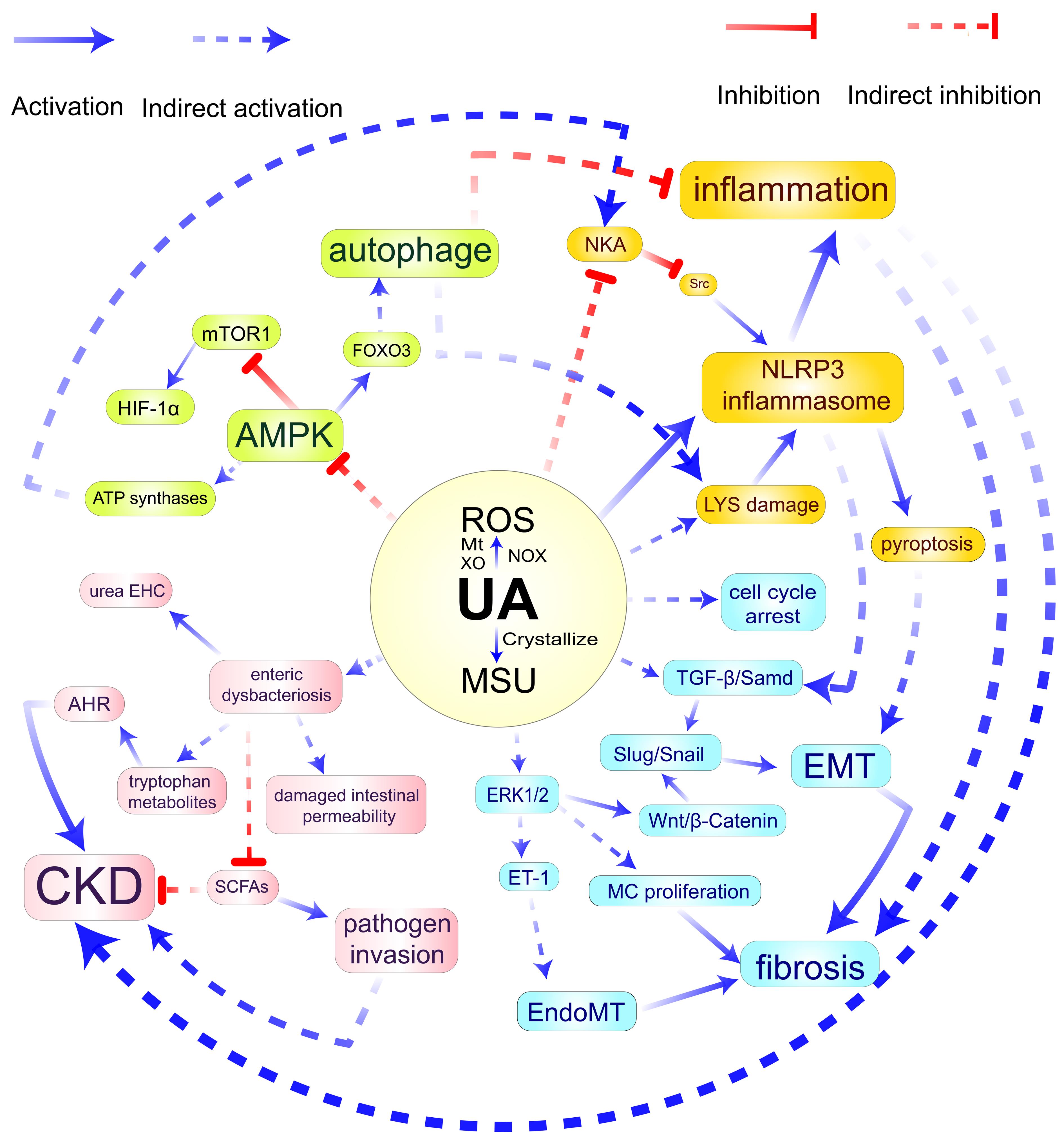
Figure 1 Pathological molecular mechanism of hyperuricemic nephropathy
| 1 | RIDI R EL, TALLIMA H. Physiological functions and pathogenic potential of uric acid: a review[J]. J Adv Res, 2017, 8(5):487-493. DOI: 10.1016/j.jare.2017.03.003 . |
| 2 | DEMIRAY A, AFSAR B, COVIC A, et al. The role of uric acid in the acute myocardial infarction: a narrative review[J]. Angiology, 2022, 73(1):9-17. DOI: 10.1177/00033197211012546 . |
| 3 | ZOPPINI G, TARGHER G, CHONCHOL M, et al. Serum uric acid levels and incident chronic kidney disease in patients with type 2 diabetes and preserved kidney function[J]. Diabetes Care, 2012, 35(1):99-104. DOI: 10.2337/dc11-1346 . |
| 4 | BADVE S V, PASCOE E M, TIKU A, et al. Effects of allopurinol on the progression of chronic kidney disease[J]. N Engl J Med, 2020, 382(26):2504-2513. DOI: 10.1056/NEJMoa1915833 . |
| 5 | DORIA A, GALECKI A T, SPINO C, et al. Serum urate lowering with allopurinol and kidney function in type 1 diabetes[J]. N Engl J Med, 2020, 382(26):2493-2503. DOI: 10.1056/NEJMoa1916624 . |
| 6 | BELLOMO G, VENANZI S, VERDURA C, et al. Association of uric acid with change in kidney function in healthy normotensive individuals[J]. Am J Kidney Dis, 2010, 56(2):264-272. DOI: 10.1053/j.ajkd.2010.01.019 . |
| 7 | GOLDBERG A, GARCIA-ARROYO F, SASAI F, et al. Mini review: reappraisal of uric acid in chronic kidney disease[J]. Am J Nephrol, 2021, 52(10-11):837-844. DOI: 10.1159/000519491 . |
| 8 | SATO Y, FEIG D I, STACK A G, et al. The case for uric acid-lowering treatment in patients with hyperuricaemia and CKD[J]. Nat Rev Nephrol, 2019, 15(12):767-775. DOI: 10.1038/s41581-019-0174-z . |
| 9 | LU J, DALBETH N, YIN H Y, et al. Mouse models for human hyperuricaemia: a critical review[J]. Nat Rev Rheumatol, 2019, 15(7):413-426. DOI: 10.1038/s41584-019-0222-x . |
| 10 | YANAI H, ADACHI H, HAKOSHIMA M, et al. Molecular biological and clinical understanding of the pathophysiology and treatments of hyperuricemia and its association with metabolic syndrome, cardiovascular diseases and chronic kidney disease[J]. Int J Mol Sci, 2021, 22(17):9221. DOI: 10.3390/ijms22179221 . |
| 11 | MACÍAS N, GOICOECHEA M, DE VINUESA M S, et al. Urate reduction and renal preservation: what is the evidence?[J]. Curr Rheumatol Rep, 2013, 15(12):386. DOI: 10.1007/s11926-013-0386-3 . |
| 12 | RAFEY M A, LIPKOWITZ M S, LEAL-PINTO E, et al. Uric acid transport[J]. Curr Opin Nephrol Hypertens, 2003, 12(5):511-516. DOI: 10.1097/00041552-200309000-00005 . |
| 13 | EJAZ A A, NAKAGAWA T, KANBAY M, et al. Hyperuricemia in kidney disease: a major risk factor for cardiovascular events, vascular calcification, and renal damage[J]. Semin Nephrol, 2020, 40(6):574-585. DOI: 10.1016/j.semnephrol.2020.12.004 . |
| 14 | MCCORMICK N, O'CONNOR M J, YOKOSE C, et al. Assessing the causal relationships between insulin resistance and hyperuricemia and gout using bidirectional Mendelian randomization[J]. Arthritis Rheumatol, 2021, 73(11):2096-2104. DOI: 10.1002/art.41779 . |
| 15 | RAMOS G K, GOLDFARB D S. Update on uric acid and the kidney[J]. Curr Rheumatol Rep, 2022, 24(5):132-138. DOI: 10.1007/s11926-022-01069-3 . |
| 16 | 张璐, 杨定位. 高尿酸血症肾病的诊治进展[J]. 中华临床医师杂志(电子版), 2019, 13(6):457-462. DOI: 10.3877/cma.j.issn.1674-0785.2019.06.011 . |
| ZHANG L, YANG D W. Progress in diagnosis and treatment of hyperuricemic nephropathy[J]. Chin J Clin Electron Ed, 2019, 13(6):457-462. DOI: 10.3877/cma.j.issn.1674-0785.2019.06.011 . | |
| 17 | 卢忠英, 郁建平, 朱梦琪, 等. 不同组合造模剂诱导大鼠高尿酸血症模型的比较研究[J]. 山地农业生物学报, 2014, 33(5):40-42, 67. DOI: 10.15958/j.cnki.sdnyswxb.2014.05.009 . |
| LU Z Y, YU J P, ZHU M Q, et al. Comparative study of different combinations of modeling agent-induced rat model of hyperuricemia[J]. J Mt Agric Biol, 2014, 33(5):40-42, 67. DOI: 10.15958/j.cnki.sdnyswxb.2014.05.009 . | |
| 18 | DEBOSCH B J, KLUTH O, FUJIWARA H, et al. Early-onset metabolic syndrome in mice lacking the intestinal uric acid transporter SLC2A9[J]. Nat Commun, 2014, 5:4642. DOI: 10.1038/ncomms5642 . |
| 19 | ZHU L R, DONG Y F, NA S, et al. Saponins extracted from Dioscorea collettii rhizomes regulate the expression of urate transporters in chronic hyperuricemia rats[J]. Biomed Pharmacother, 2017, 93:88-94. DOI: 10.1016/j.biopha.2017.06.022 . |
| 20 | SALEM C BEN, SLIM R, FATHALLAH N, et al. Drug-induced hyperuricaemia and gout[J]. Rheumatology, 2017, 56(5):679-688. DOI: 10.1093/rheumatology/kew293 . |
| 21 | HONG F, ZHENG A J, XU P F, et al. High-protein diet induces hyperuricemia in a new animal model for studying human gout[J]. Int J Mol Sci, 2020, 21(6):2147. DOI: 10.3390/ijms21062147 . |
| 22 | SAUTIN Y Y, NAKAGAWA T, ZHARIKOV S, et al. Adverse effects of the classic antioxidant uric acid in adipocytes: NADPH oxidase-mediated oxidative/nitrosative stress[J]. Am J Physiol Cell Physiol, 2007, 293(2): C584-C596. DOI: 10.1152/ajpcell.00600.2006 . |
| 23 | KIMURA Y, TSUKUI D, KONO H. Uric acid in inflammation and the pathogenesis of atherosclerosis[J]. Int J Mol Sci, 2021, 22(22):12394. DOI: 10.3390/ijms222212394 . |
| 24 | WAHEED Y, YANG F, SUN D. Role of asymptomatic hyperuricemia in the progression of chronic kidney disease and cardiovascular disease[J]. Korean J Intern Med, 2021, 36(6):1281-1293. DOI: 10.3904/kjim.2020.340 . |
| 25 | GHERGHINA M E, PERIDE I, TIGLIS M, et al. Uric acid and oxidative stress-relationship with cardiovascular, metabolic, and renal impairment[J]. Int J Mol Sci, 2022, 23(6):3188. DOI: 10.3390/ijms23063188 . |
| 26 | ELEFTHERIADIS T, PISSAS G, ANTONIADI G, et al. Allopurinol protects human glomerular endothelial cells from high glucose-induced reactive oxygen species generation, p53 overexpression and endothelial dysfunction[J]. Int Urol Nephrol, 2018, 50(1):179-186. DOI: 10.1007/s11255-017-1733-5 . |
| 27 | CHAO H H, LIU J C, LIN J W, et al. Uric acid stimulates endothelin-1 gene expression associated with NADPH oxidase in human aortic smooth muscle cells[J]. Acta Pharmacol Sin, 2008, 29(11):1301-1312. DOI: 10.1111/j.1745-7254.2008.00877.x . |
| 28 | ZHUANG Y B, FENG Q C, DING G X, et al. Activation of ERK1/2 by NADPH oxidase-originated reactive oxygen species mediates uric acid-induced mesangial cell proliferation[J]. Am J Physiol Renal Physiol, 2014, 307(4): F396-F406. DOI: 10.1152/ajprenal.00565.2013 . |
| 29 | CRISTÓBAL-GARCÍA M, GARCÍA-ARROYO F E, TAPIA E, et al. Renal oxidative stress induced by long-term hyperuricemia alters mitochondrial function and maintains systemic hypertension[J]. Oxid Med Cell Longev, 2015, 2015:535686. DOI: 10.1155/2015/535686 . |
| 30 | HONG Q, QI K, FENG Z, et al. Hyperuricemia induces endothelial dysfunction via mitochondrial Na+/Ca2+ exchanger-mediated mitochondrial calcium overload[J]. Cell Calcium, 2012, 51(5):402-410. DOI: 10.1016/j.ceca.2012.01.003 . |
| 31 | SU Y, HU L T, WANG Y N, et al. The Rho kinase signaling pathway participates in tubular mitochondrial oxidative injury and apoptosis in uric acid nephropathy[J]. J Int Med Res, 2021, 49(6):3000605211021752. DOI: 10.1177/03000605211021752 . |
| 32 | YANG L J, CHANG B C, GUO Y L, et al. The role of oxidative stress-mediated apoptosis in the pathogenesis of uric acid nephropathy[J]. Ren Fail, 2019, 41(1):616-622. DOI: 10.1080/0886022X.2019.1633350 . |
| 33 | BRAGA T T, FORNI M F, CORREA-COSTA M, et al. Soluble uric acid activates the NLRP3 inflammasome[J]. Sci Rep, 2017, 7:39884. DOI: 10.1038/srep39884 . |
| 34 | KOMORI H, YAMADA K, TAMAI I. Hyperuricemia enhances intracellular urate accumulation via down-regulation of cell-surface BCRP/ABCG2 expression in vascular endothelial cells[J]. Biochim Biophys Acta Biomembr, 2018, 1860(5):973-980. DOI: 10.1016/j.bbamem.2018.01.006 . |
| 35 | BROVOLD H, LUND T, SVISTOUNOV D, et al. Crystallized but not soluble uric acid elicits pro-inflammatory response in short-term whole blood cultures from healthy men[J]. Sci Rep, 2019, 9:10513. DOI: 10.1038/s41598-019-46935-w . |
| 36 | SU H Y, YANG C, LIANG D, et al. Research advances in the mechanisms of hyperuricemia-induced renal injury[J]. Biomed Res Int, 2020, 2020:5817348. DOI: 10.1155/2020/5817348 . |
| 37 | YE Y, ZHANG Y, WANG B, et al. CXCR1/CXCR2 antagonist G31P inhibits nephritis in a mouse model of uric acid nephropathy[J]. Biomed Pharmacother, 2018, 107:1142-1150. DOI: 10.1016/j.biopha.2018.07.077 . |
| 38 | CHOE J Y, CHOI C H, PARK K Y, et al. High-mobility group box 1 is responsible for monosodium urate crystal-induced inflammation in human U937 macrophages[J]. Biochem Biophys Res Commun, 2018, 503(4):3248-3255. DOI: 10.1016/j.bbrc.2018.08.139 . |
| 39 | VÄLIMÄKI E, MIETTINEN J J, LIETZÉN N, et al. Monosodium urate activates Src/Pyk2/PI3 kinase and cathepsin dependent unconventional protein secretion from human primary macrophages[J]. Mol Cell Proteomics, 2013, 12(3):749-763. DOI: 10.1074/mcp.M112.024661 . |
| 40 | WANG M, LIN X, YANG X M, et al. Research progress on related mechanisms of uric acid activating NLRP3 inflammasome in chronic kidney disease[J]. Ren Fail, 2022, 44(1):615-624. DOI: 10.1080/0886022X.2022.2036620 . |
| 41 | ISAKA Y, TAKABATAKE Y, TAKAHASHI A, et al. Hyperuricemia-induced inflammasome and kidney diseases[J]. Nephrol Dial Transplant, 2016, 31(6):890-896. DOI: 10.1093/ndt/gfv024 . |
| 42 | WANG G H, ZUO T, LI R. The mechanism of Arhalofenate in alleviating hyperuricemia-activating PPARγ thereby reducing caspase-1 activity[J]. Drug Dev Res, 2020, 81(7):859-866. DOI: 10.1002/ddr.21699 . |
| 43 | ELEFTHERIADIS T, PISSAS G, SOUNIDAKI M, et al. Urate crystals directly activate the T-cell receptor complex and induce T-cell proliferation[J]. Biomed Rep, 2017, 7(4):365-369. DOI: 10.3892/br.2017.960 . |
| 44 | KOKA R M, HUANG E, LIESKE J C. Adhesion of uric acid crystals to the surface of renal epithelial cells[J]. Am J Physiol Renal Physiol, 2000, 278(6): F989-F998. DOI: 10.1152/ajprenal.2000.278.6.F989 . |
| 45 | JOOSTEN L A B, CRIŞAN T O, BJORNSTAD P, et al. Asymptomatic hyperuricaemia: a silent activator of the innate immune system[J]. Nat Rev Rheumatol, 2020, 16(2):75-86. DOI: 10.1038/s41584-019-0334-3 . |
| 46 | ZHOU R B, TARDIVEL A, THORENS B, et al. Thioredoxin-interacting protein links oxidative stress to inflammasome activation[J]. Nat Immunol, 2010, 11(2):136-140. DOI: 10.1038/ni.1831 . |
| 47 | MISAWA T, TAKAHAMA M, KOZAKI T, et al. Microtubule-driven spatial arrangement of mitochondria promotes activation of the NLRP3 inflammasome[J]. Nat Immunol, 2013, 14(5):454-460. DOI: 10.1038/ni.2550 . |
| 48 | ELLIOTT E I, MILLER A N, BANOTH B, et al. Cutting edge: mitochondrial assembly of the NLRP3 inflammasome complex is initiated at priming[J]. J Immunol, 2018, 200(9):3047-3052. DOI: 10.4049/jimmunol.1701723 . |
| 49 | XIAO J, ZHANG X L, FU C S, et al. Soluble uric acid increases NALP3 inflammasome and interleukin-1β expression in human primary renal proximal tubule epithelial cells through the Toll-like receptor 4-mediated pathway[J]. Int J Mol Med, 2015, 35(5):1347-1354. DOI: 10.3892/ijmm.2015.2148 . |
| 50 | CRIȘAN T O, CLEOPHAS M C, OOSTING M, et al. Soluble uric acid primes TLR-induced proinflammatory cytokine production by human primary cells via inhibition of IL-1Ra[J]. Ann Rheum Dis, 2016, 75(4):755-762. DOI: 10.1136/annrheumdis-2014-206564 . |
| 51 | KIMURA Y, YANAGIDA T, ONDA A, et al. Soluble uric acid promotes atherosclerosis via AMPK (AMP-activated protein kinase)-mediated inflammation[J]. Arterioscler Thromb Vasc Biol, 2020, 40(3):570-582. DOI: 10.1161/ATVBAHA.119.313224 . |
| 52 | DE FRANCESCO E M, MAGGIOLINI M, MUSTI A M. Crosstalk between Notch, HIF-1α and GPER in breast cancer EMT[J]. Int J Mol Sci, 2018, 19(7):2011. DOI: 10.3390/ijms19072011 . |
| 53 | YANG Q M, FU C S, ZHANG X L, et al. Adiponectin protects against uric acid-induced renal tubular epithelial inflammatory responses via the AdipoR1/AMPK signaling pathway[J]. Int J Mol Med, 2019, 43(3):1542-1552. DOI: 10.3892/ijmm.2019.4072 . |
| 54 | YIN W, ZHOU Q L, OUYANG S X, et al. Uric acid regulates NLRP3/IL-1β signaling pathway and further induces vascular endothelial cells injury in early CKD through ROS activation and K+ efflux[J]. BMC Nephrol, 2019, 20(1):319. DOI: 10.1186/s12882-019-1506-8 . |
| 55 | XIAO J, ZHANG X L, FU C S, et al. Impaired Na+-K+-ATPase signaling in renal proximal tubule contributes to hyperuricemia-induced renal tubular injury[J]. Exp Mol Med, 2018, 50(3): e452. DOI: 10.1038/emm.2017.287 . |
| 56 | XIAO J, ZHU S B, GUAN H C, et al. AMPK alleviates high uric acid-induced Na+-K+-ATPase signaling impairment and cell injury in renal tubules[J]. Exp Mol Med, 2019, 51(5):1-14. DOI: 10.1038/s12276-019-0254-y . |
| 57 | MA Q Y, IMMLER R, PRUENSTER M, et al. Soluble uric acid inhibits β2 integrin-mediated neutrophil recruitment in innate immunity[J]. Blood, 2022, 139(23):3402-3417. DOI: 10.1182/blood.2021011234 . |
| 58 | SELLMAYR M, HERNANDEZ PETZSCHE M R, MA Q Y, et al. Only hyperuricemia with crystalluria, but not asymptomatic hyperuricemia, drives progression of chronic kidney disease[J]. J Am Soc Nephrol, 2020, 31(12):2773-2792. DOI: 10.1681/ASN.2020040523 . |
| 59 | ALBERTS B M, BARBER J S, SACRE S M, et al. Precipitation of soluble uric acid is necessary for in vitro activation of the NLRP3 inflammasome in primary human monocytes[J]. J Rheumatol, 2019, 46(9):1141-1150. DOI: 10.3899/jrheum.180855 . |
| 60 | MA Q Y, HONARPISHEH M, LI C Y, et al. Soluble uric acid is an intrinsic negative regulator of monocyte activation in monosodium urate crystal-induced tissue inflammation[J]. J Immunol, 2020, 205(3):789-800. DOI: 10.4049/jimmunol. 2000319 . |
| 61 | CHOI A M K, RYTER S W, LEVINE B. Autophagy in human health and disease[J]. N Engl J Med, 2013, 368(7):651-662. DOI: 10.1056/NEJMra1205406 . |
| 62 | SHI C S, SHENDEROV K, HUANG N N, et al. Activation of autophagy by inflammatory signals limits IL-1β production by targeting ubiquitinated inflammasomes for destruction[J]. Nat Immunol, 2012, 13(3):255-263. DOI: 10.1038/ni.2215 . |
| 63 | BAO J F, SHI Y F, TAO M, et al. Pharmacological inhibition of autophagy by 3-MA attenuates hyperuricemic nephropathy[J]. Clin Sci, 2018, 132(21):2299-2322. DOI: 10.1042/CS20180563 . |
| 64 | HU J C, WU H, WANG D C, et al. Weicao capsule ameliorates renal injury through increasing autophagy and NLRP3 degradation in UAN rats[J]. Int J Biochem Cell Biol, 2018, 96:1-8. DOI: 10.1016/j.biocel.2018.01.001 . |
| 65 | HERZIG S, SHAW R J. AMPK: guardian of metabolism and mitochondrial homeostasis[J]. Nat Rev Mol Cell Biol, 2018, 19(2):121-135. DOI: 10.1038/nrm.2017.95 . |
| 66 | HU Y, SHI Y F, CHEN H, et al. Blockade of autophagy prevents the progression of hyperuricemic nephropathy through inhibiting NLRP3 inflammasome-mediated pyroptosis[J]. Front Immunol, 2022, 13:858494. DOI: 10.3389/fimmu. 2022. 858494 . |
| 67 | MAEJIMA I, TAKAHASHI A, OMORI H, et al. Autophagy sequesters damaged lysosomes to control lysosomal biogenesis and kidney injury[J]. EMBO J, 2013, 32(17):2336-2347. DOI: 10.1038/emboj.2013.171 . |
| 68 | COELHO S C, BERILLO O, CAILLON A, et al. Three-month endothelial human endothelin-1 overexpression causes blood pressure elevation and vascular and kidney injury[J]. Hypertension, 2018, 71(1):208-216. DOI: 10.1161/HYPERTENSIONAHA.117.09925 . |
| 69 | YANG X L, GU J, LV H C, et al. Uric acid induced inflammatory responses in endothelial cells via up-regulating(pro)renin receptor[J]. Biomedecine Pharmacother, 2019, 109:1163-1170. DOI: 10.1016/j.biopha.2018.10.129 . |
| 70 | REYES-MARTINEZ C, NGUYEN Q M, KASSAN M, et al. (pro)renin receptor-dependent induction of profibrotic factors is mediated by COX-2/EP4/NOX-4/smad pathway in collecting duct cells[J]. Front Pharmacol, 2019, 10:803. DOI: 10.3389/fphar.2019.00803 . |
| 71 | KO J, KANG H J, KIM D A, et al. Uric acid induced the phenotype transition of vascular endothelial cells via induction of oxidative stress and glycocalyx shedding[J]. FASEB J, 2019, 33(12):13334-13345. DOI: 10.1096/fj.201901148R . |
| 72 | ALBERTONI G, MAQUIGUSSA E, PESSOA E, et al. Soluble uric acid increases intracellular calcium through an angiotensin II-dependent mechanism in immortalized human mesangial cells[J]. Exp Biol Med, 2010, 235(7):825-832. DOI: 10.1258/ebm.2010.010007 . |
| 73 | RYU E S, KIM M J, SHIN H S, et al. Uric acid-induced phenotypic transition of renal tubular cells as a novel mechanism of chronic kidney disease[J]. Am J Physiol Renal Physiol, 2013, 304(5): F471-F480. DOI: 10.1152/ajprenal. 00560. 2012 . |
| 74 | LOVISA S, ZEISBERG M, KALLURI R. Partial epithelial-to-mesenchymal transition and other new mechanisms of kidney fibrosis[J]. Trends Endocrinol Metab, 2016, 27(10):681-695. DOI: 10.1016/j.tem.2016.06.004 . |
| 75 | REN Q, TAO S B, GUO F, et al. Natural flavonol fisetin attenuated hyperuricemic nephropathy via inhibiting IL-6/JAK2/STAT3 and TGF-β/SMAD3 signaling[J]. Phytomedicine, 2021, 87:153552. DOI: 10.1016/j.phymed.2021.153552 . |
| 76 | WANG W J, WANG X Y, CHUN J, et al. Inflammasome-independent NLRP3 augments TGF-β signaling in kidney epithelium[J]. J Immunol, 2013, 190(3):1239-1249. DOI: 10.4049/jimmunol.1201959 . |
| 77 | ROMERO C A, REMOR A, LATINI A, et al. Uric acid activates NRLP3 inflammasome in an in-vivo model of epithelial to mesenchymal transition in the kidney[J]. J Mol Histol, 2017, 48(3):209-218. DOI: 10.1007/s10735-017-9720-9 . |
| 78 | TAO M, SHI Y F, TANG L X, et al. Blockade of ERK1/2 by U0126 alleviates uric acid-induced EMT and tubular cell injury in rats with hyperuricemic nephropathy[J]. Am J Physiol Renal Physiol, 2019, 316(4): F660-F673. DOI: 10.1152/ajprenal. 00480.2018 . |
| 79 | ZHA D Q, WU S Q, GAO P, et al. Telmisartan attenuates uric acid-induced epithelial-mesenchymal transition in renal tubular cells[J]. Biomed Res Int, 2019, 2019:3851718. DOI: 10.1155/2019/3851718 . |
| 80 | SCHUNK S J, FLOEGE J, FLISER D, et al. WNT-β-catenin signalling―a versatile player in kidney injury and repair[J]. Nat Rev Nephrol, 2021, 17(3):172-184. DOI: 10.1038/s41581-020-00343-w . |
| 81 | ZHAO L, LI C Y, ZHOU B, et al. Crucial role of serum response factor in renal tubular epithelial cell epithelial-mesenchymal transition in hyperuricemic nephropathy[J]. Aging, 2019, 11(22):10597-10609. DOI: 10.18632/aging.102479 . |
| 82 | SHI Y F, XU L Q, TAO M, et al. Blockade of enhancer of zeste homolog 2 alleviates renal injury associated with hyperuricemia[J]. Am J Physiol Renal Physiol, 2019, 316(3): F488-F505. DOI: 10.1152/ajprenal.00234.2018 . |
| 83 | ALMEIDA A, MITCHELL A L, BOLAND M, et al. A new genomic blueprint of the human gut microbiota[J]. Nature, 2019, 568(7753):499-504. DOI: 10.1038/s41586-019-0965-1 . |
| 84 | STAVROPOULOU E, KANTARTZI K, TSIGALOU C, et al. Focus on the gut-kidney axis in health and disease[J]. Front Med, 2021, 7:620102. DOI: 10.3389/fmed.2020.620102 . |
| 85 | WEI J, ZHANG Y Q, DALBETH N, et al. Association between gut microbiota and elevated serum urate in two independent cohorts[J]. Arthritis Rheumatol, 2022, 74(4):682-691. DOI: 10.1002/art.42009 . |
| 86 | WANG J, CHEN Y, ZHONG H, et al. The gut microbiota as a target to control hyperuricemia pathogenesis: potential mechanisms and therapeutic strategies[J]. Crit Rev Food Sci Nutr, 2022, 62(14):3979-3989. DOI: 10.1080/10408398. 2021. 1874287 . |
| 87 | NIEUWDORP M, GILIJAMSE P W, PAI N, et al. Role of the microbiome in energy regulation and metabolism[J]. Gastroenterology, 2014, 146(6):1525-1533. DOI: 10.1053/j.gastro.2014.02.008 . |
| 88 | HE Y, FU L H, LI Y P, et al. Gut microbial metabolites facilitate anticancer therapy efficacy by modulating cytotoxic CD8+ T cell immunity[J]. Cell Metab, 2021, 33(5):988-1000.e7. DOI: 10.1016/j.cmet.2021.03.002 . |
| 89 | PAN L B, HAN P, MA S R, et al. Abnormal metabolism of gut microbiota reveals the possible molecular mechanism of nephropathy induced by hyperuricemia[J]. Acta Pharm Sin B, 2020, 10(2):249-261. DOI: 10.1016/j.apsb.2019.10.007 . |
| 90 | XU D X, LV Q L, WANG X F, et al. Hyperuricemia is associated with impaired intestinal permeability in mice[J]. Am J Physiol Gastrointest Liver Physiol, 2019, 317(4): G484-G492. DOI: 10.1152/ajpgi.00151.2019 . |
| 91 | ZHAO H Y, CHEN X Y, ZHANG L, et al. Lacticaseibacillus rhamnosus Fmb14 prevents purine induced hyperuricemia and alleviate renal fibrosis through gut-kidney axis[J]. Pharmacol Res, 2022, 182:106350. DOI: 10.1016/j.phrs. 2022.106350 . |
| 92 | LIU X, LV Q L, REN H Y, et al. The altered gut microbiota of high-purine-induced hyperuricemia rats and its correlation with hyperuricemia[J]. PeerJ, 2020, 8: e8664. DOI: 10.7717/peerj.8664 . |
| 93 | NUKI G. An appraisal of the 2012 American college of rheumatology guidelines for the management of gout[J]. Curr Opin Rheumatol, 2014, 26(2):152-161. DOI: 10.1097/BOR. 0000000000000034 . |
| 94 | WHITE W B, SAAG K G, BECKER M A, et al. Cardiovascular safety of febuxostat or allopurinol in patients with gout[J]. N Engl J Med, 2018, 378(13):1200-1210. DOI: 10.1056/NEJMoa1710895 . |
| 95 | LIU P, WANG C, WANG Y, et al. Zishen Qingre Tongluo formula improves renal fatty acid oxidation and alleviated fibrosis via the regulation of the TGF- β1/Smad3 signaling pathway in hyperuricemic nephrology rats[J]. Biomed Res Int, 2021, 2021:2793823. DOI: 10.1155/2021/2793823 . |
| 96 | LI X Q, CHEN Y H, GAO X X, et al. Antihyperuricemic effect of green Alga Ulva lactuca ulvan through regulating urate transporters[J]. J Agric Food Chem, 2021, 69(38):11225-11235. DOI: 10.1021/acs.jafc.1c03607 . |
| 97 | WU D, CHEN R H, LI Q H, et al. Tea (Camellia sinensis) ameliorates hyperuricemia via uric acid metabolic pathways and gut microbiota[J]. Nutrients, 2022, 14(13):2666. DOI: 10.3390/nu14132666 . |
| 98 | WEN X H, LOU Y, SONG S Y, et al. Qu-Zhuo-Tong-Bi Decoction alleviates gouty arthritis by regulating butyrate-producing bacteria in mice[J]. Front Pharmacol, 2021, 11:610556. DOI: 10.3389/fphar.2020.610556 . |
| [1] | HE Miao, ZHANG Xuxing, WU Gang, ZHOU Yi, RAO Hao, HU Xiangyu. Analysis of Animal Models of Lumbar Spinal Stenosis Based on Clinical Characteristics of Traditional Chinese and Western Medicine [J]. Laboratory Animal and Comparative Medicine, 2026, 46(4): 541-552. |
| [2] | PAN Linqin, DENG Xiangliang, LUO Yunxia. Advances in Integrative Translational Research on Animal Models of Ischemic Stroke in Traditional Chinese and Western Medicine [J]. Laboratory Animal and Comparative Medicine, 2026, 46(3): 344-356. |
| [3] | BU Yu, HOU Jinting, LI Yuanyuan, SHA Jingtao, XIE Chenlu, WANG Wengang, SUN Xingwei. A Review and Evaluation of Integrated Disease and Syndrome Animal Models for Hemorrhoids in Traditional Chinese and Western Medicine [J]. Laboratory Animal and Comparative Medicine, 2026, 46(3): 357-366. |
| [4] | Committee of Experts on Medical Animal Experiments, Chinese Research Hospital Association , Committee of Regenerative Medicine Branch, Chinese Medicinal Biotech Association , HAN Fabin, CHEN Lin, CHEN Zhiguo, LU Ming, LI Yingjun. Guidelines for Selecting Preclinical Animal Models for Drugs and Stem Cell Therapies for Parkinson Disease (2026 Edition) [J]. Laboratory Animal and Comparative Medicine, 2026, 46(2): 153-177. |
| [5] | LI Hui. Advances in Animal Models for Biolinguistic Research [J]. Laboratory Animal and Comparative Medicine, 2026, 46(2): 297-305. |
| [6] | YANG Lin, JIN Meng, WU Hanqing, LI Shun, ZHOU Xiaohui. Establishment and Preliminary Analysis of an AG6 Mouse Encephalopathy Model Induced by Vaccinia Virus Tiantan Strain Infection [J]. Laboratory Animal and Comparative Medicine, 2026, 46(1): 3-10. |
| [7] | LIAO Wangyue, LEI Shuang, LI Xuan, GUO Min, ZHOU Ruoran. Literature Analysis and Validity Assessment for Animal Models of Attention Deficit and Hyperactive Disorder [J]. Laboratory Animal and Comparative Medicine, 2026, 46(1): 66-80. |
| [8] | CHEN Ziyi, SUN Hongyan, KANG Pinfang, WU Wenjuan. Research Advances in Construction Methods and Novel Technologies for Animal Models of Pulmonary Hypertension [J]. Laboratory Animal and Comparative Medicine, 2026, 46(1): 81-93. |
| [9] | YANG Yunrong, WU Wenyu, TAN Yue, YAN Guofeng, LI Yao, LU Jin. A Review of Methods for Establishing and Evaluating Animal Models of Stroke [J]. Laboratory Animal and Comparative Medicine, 2026, 46(1): 94-106. |
| [10] | LIU Song, MO Qianru, WANG Jin, CUI Ying, TIAN Ling. Main Biological Characteristics of Hermetia illucens L. and Its Potential Applications as a Model Organism [J]. Laboratory Animal and Comparative Medicine, 2025, 45(6): 803-809. |
| [11] | LEI Linbei, WAN Xiaojuan, XIE Jing, LIU Yuxin, ZOU Jiexin, XIE Xianbing. Applications, Advantages, and Challenges of Germ-Free Bees in Biomedical Research [J]. Laboratory Animal and Comparative Medicine, 2025, 45(6): 784-793. |
| [12] | WANG Xiaoming, MENG Chenchen, FAN Lu, LI Yanyang, ZHANG Junping, LÜ Shichao. An Overview of Strategies for Constructing Animal Models of Traditional Chinese Medicine Syndromes [J]. Laboratory Animal and Comparative Medicine, 2025, 45(5): 596-610. |
| [13] | GAO Chaoqi, ZHU Zhibo, SUN Xiandong. Application Progress and Classification Analysis of Rat Vascular Remodeling Models [J]. Laboratory Animal and Comparative Medicine, 2025, 45(5): 542-550. |
| [14] | LIU Ziqi, LI Yunying, LI Qin, LI Yuanhan, HE Fangyan, WEN Weibo. Research Progress on Animal Models of Gastric Ulcer of Spleen-Stomach Deficiency Cold Type [J]. Laboratory Animal and Comparative Medicine, 2025, 45(5): 574-585. |
| [15] | LIU Yang, CHENG Laiyang, GUO Zhongkun. Progress on Animal Models of Perimenopausal Syndrome Based on Traditional Chinese Medicine Disease-Syndrome Combination [J]. Laboratory Animal and Comparative Medicine, 2025, 45(5): 586-595. |
| Viewed | ||||||
|
Full text |
|
|||||
|
Abstract |
|
|||||
